

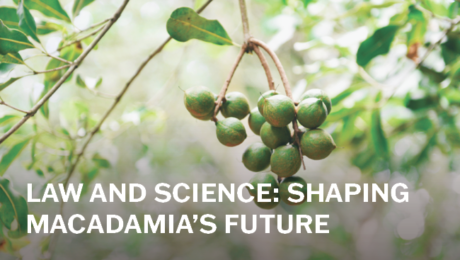
When it comes to macadamia research, we often expect the science to be the complicated part. What is becoming increasingly clear, however, is that macadamia research – similar to a number of other crops – suffers from a variety of challenges which tend to surface before anyone steps into a lab or gets near an orchard. This is because macadamia,
A team of scientists from the ARC Centre of Excellence for Plant Success in Nature and Agriculture at Monash University has identified a single gene in a land plant that could help explain how plants first evolved the ability to grow continuously, a key trait that allowed them to colonise dry land and shape life on Earth. Published in Current Biology,

On November 10 we were thrilled to officially launch the ARC Research Hub for Engineering Plants to Replace Fossil Carbon (pictured above). As Director, I am pleased to have this opportunity to share an update with the Plant Success community about how our multidisciplinary team is taking a fresh approach to transforming plant waste into valuable carbon-based products such as jet fuel.

Dr James W Peacock, AC, FAA, FTSE, FRS, Australia’s Chief Scientist, President of the Academy of Science, was a colossus in Australian plant science. He was hugely respected both nationally and internationally, receiving numerous awards and honours. Jim passed away last week, and much will be written by others about his many achievements. He was my boss and mentor for

When I began my PhD, I was fascinated by a deceptively simple question: how do plants turn genes into colours? Walk through any garden and you’ll see the answer shimmering in red petals, purple leaves, or even blue flowers – colours born from anthocyanins. These pigments don’t just decorate plants; they act as antioxidants, sunscreens, and ecological messengers, protecting tissues,

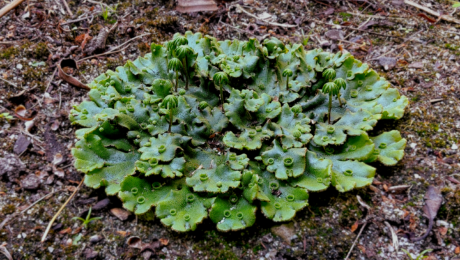
Back Garden Biology — or from little things big things grow (with respect to Paul Kelly and Kev Carmody) On a sunny winter afternoon during a long Melbourne Covid lockdown, I found myself crawling about in the back garden looking for insects with my daughter as part of her home schooling and we chanced upon a liverwort growing between the

It was a very busy National Science Week for the Centre! Researchers from the University of Tasmania were at the Beaker Street Festival as Roving Scientists and working with high school art students at CoLab. Researchers also gave demonstrations as part of the Young Tassie Scientists Road Trips, and invited attendees at the Festival of Bright Ideas to become Plant Detectives! At

While science outreach can be simply about the joy of giving back to the community, it can also be used to support and accelerate your research career. Universities and research centres are starting to prioritise scientific outreach, and considering the unfortunate escalation in public mistrust in science and scientists, this is a wonderful thing. If you ever get frustrated by

The Best Practice Guidelines for the Collection and Transfer of Genetic Resources are a comprehensive framework designed to guide ethical and scientifically sound practices in the management of genetic resources. Australian law in relation to the collection, transfer, and use of genetic resources is fragmented and incomplete. This creates problems for researchers, access providers, and Indigenous Australians. The Guidelines help

The laboratory strain of Nicotiana benthamiana, a native Australian plant, has been extensively used for the last two decades in plant research around the world. It has an almost unique ability to rapidly express foreign genes in its leaves after simple injection of a bacterium, carrying the foreign DNA. The Waterhouse group has been pioneering an understanding of the species’

