

CHRISTINE BEVERIDGE
The University of QueenslandCentre Director
Chief Investigator

MARK COOPER
The University of QueenslandDeputy Director
Chief Investigator

JOHN BOWMAN
Monash UniversityNode Leader and Researcher Development Leader
Chief Investigator

TIM BRODRIBB
University of TasmaniaNode Co-Leader
Chief Investigator

ROBERT HENRY
The University of QueenslandNode Leader
Chief Investigator

BARBARA HOLLAND
University of TasmaniaNode Co-Leader
Chief Investigator

PETER WATERHOUSE
Queensland University of TechnologyNode Leader
Chief Investigator

IAN WRIGHT
Western Sydney UniversityNode Leader
Chief Investigator

ELOISE FOO
University of TasmaniaOutreach Leader
Chief Investigator

KEVIN BURRAGE
Queensland University of TechnologyChief Investigator

DIANE DONOVAN
The University of QueenslandChief Investigator

GRAEME HAMMER
The University of QueenslandChief Investigator

DAVID JORDAN
The University of QueenslandChief Investigator

DANIEL ORTIZ-BARRIENTOS
The University of QueenslandChief Investigator

BRAD SHERMAN
The University of QueenslandChief Investigator

STEVEN SMITH
University of TasmaniaChief Investigator

JIM WELLER
University of TasmaniaChief Investigator

DAVID TOMLINS
The University of QueenslandChief Operating Officer

JOHN ALVAREZ
Monash UniversityNode Administrator

PHOEBE BALDWIN
The University of QueenslandCommunications and Engagement Officer

KYLIE BRICE
Western Sydney UniversityNode Administrator

UWE DRESSEL
The University of QueenslandCentre Coordinator

SUSIE GREEN
The University of QueenslandNode Administrator

CATHERINE JONES
University of TasmaniaNode Administrator

SUSAN ROWCLIFFE
The University of QueenslandProject Administrator

CHRIS WACKER
Outreach Officer
JOHN MANNERS
Centre Advisory CommitteeChair

HENRIETTA MARRIE AM
Centre Advisory Committee
JULIA PLAYFORD
Centre Advisory Committee
JOANNE TOMPKINS
Centre Advisory Committee
MARILYN ANDERSON
Science Advisory PanelChair
MARIANNE BÄNZIGER
Science Advisory Panel
BETTINA BERGER
Science Advisory Panel
BRUCE WALSH
Science Advisory Panel
DETLEF WEIGEL
Science Advisory Panel
BIOPLATFORMS AUSTRALIA
Partner Investigator
STEPHANIE ALEXANDER KITCHEN GARDEN FOUNDATION
Partner Investigator
SOTIRIOS ARCHONTOULIS
Iowa State UniversityPartner Investigator

KIRSTIN BETT
University of SaskatchewanPartner Investigator

COLIN CAVANAGH
BASFPartner Investigator

RUPASHREE DASS
ComputomicsPartner Investigator

CSIRO
Partner Investigator
HANNES DEMPEWOLF
Global Crop Diversity Trust (Crop Trust)Partner Investigator

ABELARDO DE LA VEGA
CortevaPartner Investigator

SARAH HEARNE
CIMMYTPartner Investigator

N. MICHELE HOLBROOK
Harvard UniversityPartner Investigator

DEPARTMENT OF AGRICULTURE AND FISHERIES
Partner Investigator
JOHN LUNN
Max Planck Institute of Molecular Plant PhysiologyPartner Investigator
GEOFFREY MORRIS
Colorado State UniversityPartner Investigator

LOREN RIESEBERG
The University of British ColumbiaPartner Investigator

RADU TOTIR
CortevaPartner Investigator

VANESSA ADAMS
University of TasmaniaAssociate Investigator

BRIAN ATWELL
Macquarie UniversityAssociate Investigator

JULIA BALLY
Queensland University of TechnologyAssociate Investigator

FRANCOIS BARBIER
Institute for Plant Sciences of MontpellierAssociate Investigator

JACQUELINE BATLEY
The University of Western AustraliaAssociate Investigator

PARIYA BEHROUZI
Wageningen University & ResearchAssociate Investigator
MICHAEL BODE
Queensland University of TechnologyAssociate Investigator

SCOTT BODEN
University of AdelaideAssociate Investigator
JUSTIN BOREVITZ
Australian National UniversityAssociate Investigator

ANDREW BORRELL
The University of QueenslandAssociate Investigator

PHIL BREWER
La Trobe UniversityAssociate Investigator
CRAIG BRODERSEN
Yale UniversityAssociate Investigator
ED BUCKLER
United States Department of AgricultureAssociate Investigator

PAMELA BURRAGE
Queensland University of TechnologyAssociate Investigator

DANIELA BUSTOS-KORTS
Universidad Austral de ChileAssociate Investigator

SCOTT CHAPMAN
The University of QueenslandAssociate Investigator

MICHAEL CHARLESTON
University of TasmaniaAssociate Investigator

KARINE CHENU
The University of QueenslandAssociate Investigator

BRENDAN CHOAT
Western Sydney UniversityAssociate Investigator

DARREN CRAYN
James Cook UniversityAssociate Investigator

PETER CRISP
The University of QueenslandAssociate Investigator

PIERRE-MARC DELAUX
The French National Centre for Scientific ResearchAssociate Investigator

JAN ENGELSTAEDTER
The University of QueenslandAssociate Investigator

ANDREA EVELAND
Donald Danforth Plant Science CenterAssociate Investigator

FELIPE DE FELIPPES
Queensland University of TechnologyAssociate Investigator

BRETT FERGUSON
The University of QueenslandAssociate Investigator

FRANZISKA FICHTNER
Heinrich Heine Universität DüsseldorfAssociate Investigator

ADAM FREW
Western Sydney UniversityAssociate Investigator

RACHAEL GALLAGHER
Western Sydney UniversityAssociate Investigator

JASON GEIJSKES
CSIROAssociate Investigator

CARLA GHO BRITO
The University of QueenslandAssociate Investigator

JIM HANAN
The University of QueenslandAssociate Investigator
CRAIG HARDNER
The University of QueenslandAssociate Investigator

SIMON HART
The University of QueenslandAssociate Investigator

LEE HICKEY
The University of QueenslandAssociate Investigator

KAY HODGINS
Monash UniversityAssociate Investigator

PHILIP HUGENHOLTZ
The University of QueenslandAssociate Investigator

REBECCA JONES
University of TasmaniaAssociate Investigator

GREG JORDAN
University of TasmaniaAssociate Investigator

MICHELLE LEISHMAN
Macquarie UniversityAssociate Investigator

DAVID LOWRY
Michigan State UniversityAssociate Investigator

EMMA MACE
The University of QueenslandAssociate Investigator

COLLEEN MACMILLAN
CSIROAssociate Investigator

SCOTT MCADAM
Purdue UniversityAssociate Investigator

KATRINA MCGUIGAN
The University of QueenslandAssociate Investigator
MEREDITH MCNEIL
CSIROAssociate Investigator

CHARLIE MESSINA
University of FloridaAssociate Investigator

RANA MUNNS
University of Western AustraliaAssociate Investigator

DIANNE NICOL
University of TasmaniaAssociate Investigator

RIKU OYA
The University of QueenslandAssociate Investigator
LIBBY PINKARD
University of TasmaniaAssociate Investigator

JONATHAN PLETT
Western Sydney UniversityAssociate Investigator
JEFF POWELL
Western Sydney UniversityAssociate Investigator
SEAN REYNOLDS MASSEY-REED
The University of QueenslandAssociate Investigator

VIVIEN (VIV) ROLLAND
CSIROAssociate Investigator

YONG-LING RUAN
Australian National UniversityAssociate Investigator

PAUL RYMER
Western Sydney UniversityAssociate Investigator

BEN SMITH
Western Sydney UniversityAssociate Investigator

MILOS TANURDIC
The University of QueenslandAssociate Investigator

MATTHEW TUCKER
University of AdelaideAssociate Investigator

MICHAEL UDVARDI
The University of QueenslandAssociate Investigator

FRED VAN EEUWIJK
Wageningen UniversityAssociate Investigator

KAI VOSS-FELS
Hochschule Geisenheim UniversityAssociate Investigator

GREG WALTER
University of TasmaniaAssociate Investigator

LIZZIE WANDRAG
University of TasmaniaAssociate Investigator

BRETT WILLIAMS
Queensland University of TechnologyAssociate Investigator

CHRIS WINEFIELD
Lincoln UniversityAssociate Investigator

ALEX WU
The University of QueenslandAssociate Investigator

SAM YEAMAN
University of CalgaryAssociate Investigator

LEILA ASADYAR
Queensland University of TechnologyPostdoctoral Researcher

SRUTHI BALAJI
The University of QueenslandPostdoctoral Researcher

CHANTELLE BEAGLEY
University of TasmaniaPostdoctoral Researcher

CHRISTOPHER BLACKMAN
University of TasmaniaPostdoctoral Researcher

IBRAHIM BOURBIA
University of TasmaniaPostdoctoral Researcher

TRAVIS BRITTON
Western Sydney UniversityPostdoctoral Researcher

EDUARDO BURILLO RICHART
University of TasmaniaPostdoctoral Researcher

STEPHANIE CONWAY
The University of QueenslandPostdoctoral Researcher

ELIZABETH DUN
The University of QueenslandPostdoctoral Researcher

SUZ EVERINGHAM
Western Sydney UniversityPostdoctoral Researcher

EDUARDO FLORES-SANDOVAL
Monash UniversityPostdoctoral Researcher

NICOLE FORTUNA
The University of QueenslandPostdoctoral Researcher

GEETIKA GEETIKA
The University of QueenslandPostdoctoral Researcher

BEN HALLIWELL
University of TasmaniaPostdoctoral Researcher

SATOMI HAYASHI
Queensland University of TechnologyPostdoctoral Researcher

JAZMINE HUMPHREYS
University of TasmaniaPostdoctoral Researcher

VINOD JACOB
Western Sydney UniversityPostdoctoral Researcher

MADDIE JAMES
The University of QueenslandPostdoctoral Researcher

BRODIE LAWSON
Queensland University of TechnologyPostdoctoral Researcher

JAMES LEFEVRE
The University of QueenslandPostdoctoral Researcher

YANG LIU
The University of QueenslandPostdoctoral Researcher

JONATHAN MITCHELL
University of TasmaniaPostdoctoral Researcher

RAUL ORTEGA MARTINEZ
University of TasmaniaPostdoctoral Researcher

SOFIE PEARSON
The University of QueenslandPostdoctoral Researcher

BUDDHINI RANAWAKA
Queensland University of TechnologyPostdoctoral Researcher

KAREN VELANDIA
University of TasmaniaPostdoctoral Researcher

MELANIE WILKINSON
The University of QueenslandPostdoctoral Researcher

LUKE YATES
University of TasmaniaPostdoctoral Researcher

ESINAM NANCY AMUZU-AWEH
The University of QueenslandAssociate Postdoctoral Researcher

JIYUAN AN
Queensland University of TechnologyAssociate Postdoctoral Researcher

JAKOB BUTLER
University of TasmaniaAssociate Postdoctoral Researcher

MADELINE CARINS-MURPHY
University of TasmaniaAssociate Postdoctoral Researcher

SHUBHAM CHHAJED
Western Sydney UniversityAssociate Postdoctoral Researcher

GERMANO COSTA-NETO
Cornell UniversityAssociate Postdoctoral Researcher

TOM DIERSCHKE
Monash UniversityAssociate Postdoctoral Researcher

DANIEL EDGE-GARZA
The University of QueenslandAssociate Postdoctoral Researcher

SHASHI GOONETILLEKE
The University of QueenslandAssociate Postdoctoral Researcher
PETER HARRISON
University of TasmaniaAssociate Postdoctoral Researcher

BEATRICE HARRISON DAY
Western Sydney UniversityAssociate Postdoctoral Researcher
ADRIAN HATHORN
The University of QueenslandAssociate Postdoctoral Researcher

ALON ISRAELI
Monash UniversityAssociate Postdoctoral Researcher

KATE JOHNSON
University of TasmaniaAssociate Postdoctoral Researcher

CADE KANE
Harvard UniversityAssociate Postdoctoral Researcher

STEPHANIE KERR
Queensland University of TechnologyAssociate Postdoctoral Researcher

ARDASHIR KHARABIAN-MASOULEH
The University of QueenslandAssociate Postdoctoral Researcher

JAVIER LOPEZ JURADO
University of TasmaniaAssociate Postdoctoral Researcher

PATRICK MASON
The University of QueenslandAssociate Postdoctoral Researcher

ISAAC NJACI
The University of QueenslandAssociate Postdoctoral Researcher

DANIEL OTWANI
The University of QueenslandAssociate Postdoctoral Researcher

CHENYU RONG
Nanjing Agriculture UniversityAssociate Postdoctoral Researcher

ALAN SEVERINI
The University of QueenslandAssociate Postdoctoral Researcher

SHILPI SINGH
Monash UniversityAssociate Postdoctoral Researcher

EMMA SUMNER
Western Sydney UniversityAssociate Postdoctoral Researcher

YONGFU TAO
Agricultural Genomics Institute at ShenzhenAssociate Postdoctoral Researcher

VANESSA TONET
Yale UniversityAssociate Postdoctoral Researcher

DAVID KAINER
The University of QueenslandCentre-wide Senior Research Fellow

FRANCES SUSSMILCH
University of TasmaniaCentre Research Fellow

AGNELO FURTADO
The University of QueenslandCentre Research Fellow

OWEN POWELL
The University of QueenslandCentre Research Fellow

ERIK VAN OOSTEROM
The University of QueenslandCentre Research Fellow

KAMALESH ADHIKARI
The University of QueenslandAssociate Research Fellow

SAM ANDREW
CSIROAssociate Research Fellow

INIGO AUZMENDI
The University of QueenslandAssociate Research Fellow

JASON BRIDER
The University of QueenslandAssociate Research Fellow

PRATAP DEVARAPALLI
Deakin UniversityAssociate Research Fellow

LINDSAY SHAW
The University of QueenslandAssociate Research Fellow

ZUBA AHMED
Queensland University of TechnologyPhD Student
MARAM ALQARNI
The University of QueenslandPhD Student

ISABELLA (ELLIE) AMOR
The University of QueenslandPhD Student

MUWAHID ASIM
The University of QueenslandPhD Student

KATYA BANDOW
University of TasmaniaPhD Student

LILY BENNETT
University of TasmaniaPhD Student

ZOE BROAD
The University of QueenslandPhD Student

KANISHKA CHANDORA
The University of QueenslandPhD Student

RAHUL CHANDORA
The University of QueenslandPhD Student

THOMAS CROW
The University of QueenslandPhD Student
BEN DAVIE
University of TasmaniaHonours Student

PAULA DEMARCO
The University of QueenslandPhD Student

MUHAMMAD WAQAS DOGAR
The University of QueenslandPhD Student

CLAIRE EDWARDS
University of TasmaniaHonours Student

JACQUELINE FOSTER
University of TasmaniaPhD Student

WIL HARRIS
The University of QueenslandPhD Student

GABRIELLE HARTILL
University of TasmaniaPhD Student

MAY HENSHER
University of TasmaniaHonours Student

XIA JIN
The University of QueenslandPhD Student

ANOBAN KARUNANANTHAN
Western Sydney UniversityPhD Student

TARA KEMP
The University of QueenslandPhD Student

ARLIE MACDONALD
University of TasmaniaPhD Student

CHRISTOPHER MCCARTHY
University of TasmaniaPhD Student

KATHLEEN MCLAY
The University of QueenslandPhD Student

ANU MIDDHA
Western Sydney UniversityPhD Student

TORI MILLSTEED
The University of QueenslandPhD Student

CHRISTOS MITSANIS
The University of QueenslandPhD Student
SABRINA MORRISON
The University of QueenslandPhD Student

SHAMSUNNAHAR MUKTA
University of TasmaniaPhD Student

NURMANSYAH NURMANSYAH
The University of QueenslandPhD Student

NICHOLAS O’BRIEN
The University of QueenslandPhD Student

JACK PRICE
The University of QueenslandPhD Student

MD. SHOHEL RANA
The University of QueenslandPhD Student

CHAMILKA RATNAYAKE
Queensland University of TechnologyPhD Student

CHRISTOPHER RAY
University of TasmaniaPhD Student

ASAD RIAZ
The University of QueenslandPhD Student

ATI ROSTAMI
Queensland University of TechnologyPhD Student

TIANA SCOTT
University of TasmaniaPhD Student

FERGUS SMITH
University of TasmaniaPhD Student

ABHISHEK SONI
The University of QueenslandPhD Student

SEEMA SONI
The University of QueenslandPhD Student

JIACAN SUN
University of TasmaniaPhD Student

YULIN SUN
The University of QueenslandPhD Student

ZHENG YANG TEOH
Monash UniversityPhD Student

JOE THOMAS
University of TasmaniaPhD Student

SHUNICHIRO TOMURA
The University of QueenslandPhD Student

BURHAN UD DIN ABBASI
The University of QueenslandPhD Student

JIAHAO WEN
Western Sydney UniversityPhD Student

ANGUS WHITTINGTON
University of TasmaniaPhD Student

CHAN YUEN LIM
Queensland University of TechnologyPhD Student

MUHAMMAD ABDULLAH
The University of QueenslandAssociate PhD Student

MALIHEH ALAEI TAZEHKAND
The University of Queensland / University of Mohaghegh ArdabiliAssociate PhD Student
SAYYAD ALI RAZA BUKHARI
University of TasmaniaAssociate PhD Student

ALFREDO CALDERA
The University of QueenslandAssociate PhD Student

DINITHI CHITHRARACHCHIGE
Monash UniversityAssociate PhD Student

YANG DAI
University of TasmaniaAssociate PhD Student

HANNAH DRIEBERG
The University of QueenslandAssociate PhD Student

CAITLIN DUDLEY
The University of QueenslandAssociate PhD Student

GENEVIEVE DURRINGTON
The University of QueenslandAssociate PhD Student

GIULIA FOLINI
Monash UniversityAssociate PhD Student

MONA GIRAUD
Forschungszentrum Jülich GmbHAssociate PhD Student

AUGUSTUS GRANT
University of TasmaniaAssociate PhD Student

NODOKA IZUMI
Western Sydney UniversityAssociate PhD Student

SOPHIE JONES
The University of QueenslandAssociate PhD Student
JASVANTI LALA
The University of QueenslandAssociate PhD Student

SARAH LAWSON
The University of QueenslandAssociate PhD Student

JESSICA LAZNER
Monash UniversityAssociate Honours Student

JONATHAN LEVINS
Monash UniversityAssociate PhD Student

SACHINI MANATUNGA
The University of QueenslandAssociate PhD Student

HANH MINH VO
University of TasmaniaAssociate PhD Student

SRINIVASA MOTHUKURI
The University of QueenslandAssociate PhD Student

HABTU KIROS NIGUS
University of TasmaniaAssociate PhD Student

TIANTIAN PAN
Macquarie UniversityAssociate PhD Student

CHAITANYA PURUSHOTHAMA
The University of QueenslandAssociate PhD Student

HAMZA RAMZAN
The University of QueenslandAssociate PhD Student

ESMAT SARAFRAZ
University of TasmaniaAssociate PhD Student

KRITIKA SHARMA
University of TasmaniaAssociate PhD Student

SAIYARA SHEHNAZ
The University of QueenslandAssociate PhD Student

APARNA THULASEEDHARAN
The University of QueenslandAssociate PhD Student
UPENDRA WIJESUNDARA
The University of QueenslandAssociate PhD Student

MEIKUN (CHARLES) ZHOU
The University of QueenslandAssociate PhD Student

NICK APPLETON
The University of QueenslandSenior Research Assistant
CAROL BALLARD
The University of QueenslandLaw Project Manager

ALEJANDRO CORREA LOZANO
University of TasmaniaLaboratory Research Assistant

COLLEEN HUNT
The University of QueenslandSenior Biometrician

PHUONG MAI HOANG
The University of QueenslandSenior Research Assistant

GREG MCLEAN
The University of QueenslandSenior Research Assistant

PUSHPAVALLI RAJU
The University of QueenslandSenior Research Assistant

SALLY RODEN
Queensland University of TechnologyResearch Technician

JOE SADDIGH
The University of QueenslandSoftware Engineer

ALEX TOMKINSON
University of TasmaniaResearch Assistant

JACQUELINE VANDER SCHOOR
University of TasmaniaSenior Research Technician

OLALEKAN AMOO
Alum
KALPANI ANANDA
Alum
SAMUEL BARTON
Alum
CANDICE BYWATER
Alum
HENRY ARENAS CASTRO
Alum
LIAM BRIGINSHAW
Alum
BERRIS CHARNLEY
Alum
OLIVE CHEONG
AlumSTACEY COOK
Alum
JIAHAO DIAO
Alum
STEFANO DI IORIO
Alum
TOM FISHER
Alum
DANIEL GERLACH
Alum
SHARMIN HASAN
Alum
ALEXANDER HASSON
Alum
ALICIA HELLENS
Alum
LEILA JOUDI
Alum
AVNEET KAUR
Alum
HAMISH MACDONALD
Alum
UPULI NAKANDALA
Alum
PAULINE OKEMO
Alum
PRIYANKA SHARMA
Alum
MUHAMMAD (NOUMAN) SOHAIL
AlumWILLIAM STIBBARDS
Alum
SIVAKUMAR SUKUMARAN
Alum
YUKI TSUJII
Alum
THOMAS VERNE
Alum
ANDREA WESTERBAND
Alum
AKILA WIJERATHNA YAPA
Alum
KASIA ZIEMINSKA
AlumThe University of Queensland
Centre Director
Chief Investigator
CHRISTINE BEVERIDGE
Professor Christine Beveridge is a Fellow of the Australian Academy of Science, an ARC Georgina Sweet Laureate Fellow, a highly cited researcher and an affiliated professor at the Queensland Alliance for Agriculture and Food Innovation.
Up until she commenced her Laureate Fellowship, she was Associate Dean of Research and Deputy Executive Dean at The University of Queensland Faculty of Science. She is also former Chair of the Faculty’s Equity and Diversity Committee.
Christine was both the first female and first Australasian president of the International Plant Growth Substances Association.
The role of plant hormones in regulating and coordinating plant development, particularly shoot architecture, has been the focus of her research. She discovered the plant hormone strigolactone and that sugar signalling is a driver of shoot branching.
More recently her focus has shifted to identifying how different genetic and physiological networks work together to control plant productivity.
Christine’s contributions to plant science, combined with her industry experience, leadership skills, and her global network of research collaborators and industry partners, make her the ideal leader of the Centre’s multidisciplinary research program.
Projects
Christine is the lead Chief Investigator of the following projects:
Genetic architecture branching/tillering
Coordination among branching, flowering, and meristem and apical arrest
PSoup for introducing networks for modelling and prediction
Cessation of tiller growth
The University of Queensland
Deputy Director
Chief Investigator
MARK COOPER
Pronouns: He/Him
Professor Mark Cooper is Chair of Prediction Based Crop Improvement at The University of Queensland, and a global leader in quantitative genetics and plant breeding. His work involves integrating genomic prediction and crop growth models into an ‘end to end’ framework for crop improvement.
Professor Cooper has pioneered the development of novel genetic modelling methodologies, based on gene networks, to study important properties of quantitative traits in biology, and demonstrated how this new genetic modelling framework can be successfully used in plant breeding to improve prediction of important traits under the influences of selection. Professor Cooper’s work at DuPont Pioneer on drought adaptation in one of the largest maize breeding programs in the world led to the AQUAmax hybrids that presently cover millions of hectares worldwide.
A quantitative geneticist by training, Professor Cooper spent 20 years working with industry in the United States and as CEO of his own consultancy firm Zenrun42, before returning to UQ to build upon the critical mass of predictive agricultural expertise in QAAFI and the wider university.
Projects
Mark is the lead Chief Investigator of the following projects:
Linkage of whole genome prediction (WGP) to crop growth models (CGM)
Ensemble models for genomic prediction and accelerated crop breeding
Monash University
Node Leader and Researcher Development Leader
Chief Investigator
JOHN BOWMAN
Pronouns: He/Him
Professor John Bowman is focused on the evolution and development of land plants. His lab uses the flowering plant Arabidopsis thaliana and the liverwort Marchantia polymorpha as model genetic systems.
John obtained his BSc in Biochemistry from the University of Illinois and PhD at Caltech with Elliot Meyerowitz working on Arabidopsis flower development. He then undertook a Postdoctoral position with David Smyth (Monash Uni) working on flower development. From 1995-2006 he was at the University of California, Davis working on developmental genetics of seed plant leaves.
Today, John and his lab at Monash University are investigating the evolution and molecular basis of the alternation of generations of land plants, whereby both the haploid and diploid phases of the life cycle develop complex multicellular bodies.
They are also interested in the origin of pattern formation and development of land plant body plans in both generations.
John is a Fellow of the Australian Academy of Science and a former ARC Federation Fellow whose experience in regulatory gene networks will enable discovery in Program 1 that will drive models developed in Program 2.
Projects
John is the lead Chief Investigator of the following project:
Rules of biology and predictions: Evolution of hormone networks and sporopollenin and predictive capacity
University of Tasmania
Node Co-Leader
Chief Investigator
TIM BRODRIBB
Professor Tim Brodribb is a professor of plant physiology, a former ARC Future Fellow and a highly cited researcher.
His research is focused on how plants transport and use water, which is one of the most important factors determining their survival or extinction.
He has made fundamental discoveries on how plants have evolved to cope with dry environments.
Tim’s awards include a Putnam Fellowship from the Arnold Arboretum at Harvard University (2007), the Grady L. Webster Structural Botany Prize from the American Journal of Botany (2009), the W.S. Cooper Award from the Ecological Society of America (2012) and a Thomson Reuters Citation and Innovation Award in 2015.
His extensive experience working across plant taxa and across evolutionary scales will drive our research on predicting phenotypes and maximise the integration within this program.
Tim will also adapt his revolutionary techniques for monitoring efficiency and vulnerability in plant water transport into a phenotyping platform that we will use to drive discovery in plant drought tolerance.
Projects
Tim is the lead Chief Investigator of the following projects:
Technology for measuring water traits in any plant including field situation
Discover new traits and their relation to whole-plant water relationships
The University of Queensland
Node Leader
Chief Investigator
ROBERT HENRY
Pronouns: He/Him
Robert Henry is a Professor of Innovation in Agriculture whose speciality research area is the study of agricultural crops using molecular tools.
He is particularly interested in Australian flora and plants of economic and social importance and has led the way in research into genome sequencing to capture novel genetic resources for the diversification of food crops to deliver improved food products.
Robert has previously held the roles of QAAFI Director (May 2010-September 2020), Director of the Centre for Plant Conservation Genetics at Southern Cross University, Research Director of the Grain Foods Cooperative Research Centre (CRC) (until 2010) and Research Program Leader in the Queensland Agricultural Biotechnology Centre (until 1996).
Projects
Robert is the lead Chief Investigator of the following projects:
Delivery of denovo domestication
Application of advanced genome sequencing
University of Tasmania
Node Co-Leader
Chief Investigator
BARBARA HOLLAND
Pronouns: She/Her
Barbara Holland is a Professor of Mathematics. A former ARC Future Fellow, Barbara applies mathematics and statistics to problems in evolutionary biology or population genetics.
In particular, her research has focused on problems in phylogenetics. She is interested in developing tools that can assess if sequence data is well explained by a simple tree model or if more complex processes such as hybridisation, recombination or convergent selection are at work.
The areas of mathematics/statistics that she uses frequently include stochastic models, continuous time Markov chains, combinatorial optimization, maximum likelihood, and simulation.
Barbara enjoys the challenge of working with biologists in trying to translate the problems they face into the language of mathematics.
Projects
Barbara is the lead Chief Investigator of the following project:
Does ecology or phylogeny determine the partitioning of trait variance
Queensland University of Technology
Node Leader
Chief Investigator
PETER WATERHOUSE
Professor Peter Waterhouse is a professor of molecular genetics with a long-established track record for research on gene regulation and genome harmony, and for group leadership and industrial translation.
A Fellow of the Australian Academy of Science, an ARC Laureate Fellow, and a former ARC Federation Fellow, Peter is internationally recognised for his plant, animal and viral research, making fundamental discoveries that have led to widespread and real-world applications. The impact of his work has been profound, and he is particularly renowned for his research on RNA interference (RNAi).
Peter has been awarded many scientific honours in Australia, including the Prime Minister’s Prize for Science, CSIRO Chairman’s medal, the Victor Chang Medal, and election to the Australian Academy of Science.
Leading our program on responsible innovation, his expertise will guide integration with our other two programs, and guide the translation of our research to the CSIRO and to the breeding industry.
Projects
Peter is the lead Chief Investigator of the following project:
Gene editing technology, drought and cell walls
Western Sydney University
Node Leader
Chief Investigator
IAN WRIGHT
Pronouns: He/Him
Distinguished Professor Ian Wright is a highly cited plant functional ecologist best known for global-scale analysis of plant traits, for careful quantification of plant structure-function relationships, and for using concepts from economics to understand plant ecology and evolution.
Ian is a Fellow of the Australian Academy of Sciences, and 2020 recipient of the NSW Premier’s Prize for Science & Engineering – Biological Sciences.
Ian’s experience will enable the Centre for Plant Success to bridge the field-based sampling with lab-based studies to explore the full range of plant diversity.
Projects
Ian is the lead Chief Investigator of the following projects:
Base knowledge on trait adaptations to temperature and aridity
Integrating physiological responses to drought into plant extinction risk assessment and conservation
University of Tasmania
Outreach Leader
Chief Investigator
ELOISE FOO
Pronouns: She/Her
Dr Eloise Foo is a plant developmental biologist who is interested in how plants interact with their environment and how this is regulated by plant hormones: small, mobile, potent signals. Eloise also holds an ARC grant that aims to decode the signals important for plant-microbe interactions.
She has contributed to the discovery of and current understanding of the newest plant hormone group, strigolactones, and has defined novel roles for plant hormones in plants relationships with beneficial and pathogenic microbes.
Eloise’s research will contribute heavily to define the underpinnings of plant productivity.
Projects
Eloise is the lead Chief Investigator of the following projects:
Demonstration of Spatial Mass Spectrometry for plant biology
Discovery of mechanisms and network topology for plant-microbe symbioses
Domestication of symbioses
Queensland University of Technology
Chief Investigator
KEVIN BURRAGE
Emeritus Professor Kevin Burrage completed his PhD in Computational Mathematics from the University of Auckland in 1978. In his early academic years he was at the University of Auckland (NZ), the University of Sussex (UK), the University of Liverpool (UK).
In 1991 he was appointed to the Chair of Computational Mathematics the University of Queensland. He established the Advanced Computational Modelling Centre at the University of Queensland in 1995 and was Director of that centre for 12 years. He was also the founding CEO of the Queensland Parallel Supercomputing Facility in 1999.
He was awarded a Federation Fellowship of the Australian Research Council from 2003-2008. In 2008 he was made Professor of Computational Systems Biology in the Computational Biology group within both the Department of Computer Science and the Centre for Integrative Systems Biology at the University of Oxford. He had this position until October 2015. He shared his time between Oxford and as Professor of Computational Mathematics at QUT, from 2010 until 2015 and continues in this role at QUT.
He was made a Visiting Professor to the Department of Computer Science at the University of Oxford and is also a Visiting Fellow at St Cross College from 2016 to 2022.
His current research interests are in Applied Mathematics modelling, Computational Mathematics and Computational Biology.
The University of Queensland
Chief Investigator
DIANE DONOVAN
Emeritus Professor Diane Donovan has two main research focuses:
- The application of polynomial chaos expansions for the modelling of physical problems involving uncertain parameters. We are developing methods to accurately and efficiently explore subsurface geometry. The current work is focused on problems related to groundwater levels, gas extraction and storage.
- The study of mathematics structures, both discrete and continuous, and their applications to problems in science and engineering. Of particular interest is the development and testing of methods for robust sampling techniques. This interest is supported by a long history of publishing on experimental design, block designs,latin squares and associated algebraic structures.
Projects
Diane is the lead Chief Investigator of the following project:
Complex mathematical networks
The University of Queensland
Chief Investigator
GRAEME HAMMER
Graeme Hammer is a Professor in Crop Science at the Centre for Crop Science in the Queensland Alliance for Agriculture and Food Innovation (QAAFI).
Graeme conducts research on the physiology and genetics of complex adaptive traits in field crops with a focus on water productivity in cereals. His research underpins the development of mathematical models of crop growth, development and yield that enable simulation of consequences of genetic and management manipulation of crops in specific target environments.
His research approach provides unique opportunities to:
- Aid crop management and design for enhanced production in water-limited environments
- Enhance the utility of molecular breeding for drought adaptation, and
- Identify avenues to cope with climate risks in field crop production.
Graeme collaborates closely with plant breeders, geneticists, molecular biologists and agronomists in a range of national and international research projects in both public and private sectors.
His research has focussed on traits and management systems that influence resource capture and resource use efficiency, including tillering and canopy development, root system architecture, maturity, carbon and nitrogen partitioning, light use and transpiration efficiencies.
Graeme is a Fellow of the Australian Agriculture Institute and was awarded the Australian Medal for Agricultural Science in 2013 and Farrer Memorial Medal in 2012.
Projects
Graeme is the lead Chief Investigator of the following projects:
Synthetic data sets for analysis of GxExM and method development
Mathematical tools and methods
The University of Queensland
Chief Investigator
DAVID JORDAN
Professor David Jordan is a sorghum breeder and geneticist with more than 20 years experience working in both the public and private sector.
For the last decade he has led the public sorghum pre-breeding program in Australia which is a partnership between The University of Queensland, The Queensland Department of Agriculture and Fisheries and the Grains research and Develop Corporation. This long running and successful cross-disciplinary research effort links the strategic to the applied.
Breeding lines from this program are widely used commercially in Australia and internationally with 100% of the commercial sorghum grown in Australia having genetics from the program.
Projects
David is the lead Chief Investigator of the following project:
Grass pan genome
The University of Queensland
Chief Investigator
DANIEL ORTIZ-BARRIENTOS
Pronouns: He/Him
Professor Daniel Ortiz-Barrientos studies the genetics of speciation and adaptation.
Daniel and his lab have developed a new system of research to study the replicated evolution of traits and reproductive isolation. He is also interested in the role of sexual selection on plant speciation and the evolution of sexual recombination. His research approach integrates ideas and tools from evolutionary theory, genetics and genomics, systems biology, and more recently physiology.
Daniel has been awarded the Young Investigator Prize from the American Society of Naturalists, The Larry Sandler Award from the Genetics Society of America, and a Killam Fellowship from the Killam Foundation in Canada. He is currently an Australian Research Council Future Fellow (Level E)
Projects
Daniel is the lead Chief Investigator of the following projects:
Genetics of adaptation understood through modelling approaches and machine learning
Genetics of adaptation: Using Senecio to discover how the genome responds to adaptation
The Senecio pangenome
The University of Queensland
Chief Investigator
BRAD SHERMAN
Pronouns: He/Him
Professor Brad Sherman is an ARC Laureate Fellow based in the law school at The University of Queensland. His research expertise encompasses many aspects of intellectual property law, with a particular emphasis on its historical, doctrinal and conceptual development.
Projects
Brad is the lead Chief Investigator of the following project:
Responsible innovation in plants, legal frameworks
University of Tasmania
Chief Investigator
STEVEN SMITH
Steven Smith is an Emeritus Professor whose research is concerned with how plants grow, which has wide implications from ecology to food production.
Steve’s research focuses on energy metabolism and the action of hormones that control plant growth. He aims to use this knowledge for the improvement of crops and the management of natural plant populations.
Steve has recently been a President’s International Fellow in the Chinese Academy of Sciences and High-End Foreign Expert for the Beijing Government. Previously he was a Winthrop Professor, ARC Federation Fellow, Chief Investigator in the ARC Centre of Excellence in Plant Energy Biology and Director of the Centre for Metabolomics at the University of Western Australia. He is former Reader and Head of Institute of Molecular Plant Sciences at the University of Edinburgh (UK) and previously worked in CSIRO Division of Plant Industry, Rothamsted Research (UK) and John Innes Centre (UK).
Projects
Steven is the lead Chief Investigator of the following projects:
Combined use of phylogeny, genetics and transcriptomics to discover principles of evolution, local adaptation and mechanisms of adaptation
University of Tasmania
Chief Investigator
JIM WELLER
Jim (James) Weller is an Associate Professor in Plant Genetics and ARC Future Fellow with broad interests in plant physiology, development and evolution.
Jim’s work focuses on the use of molecular genetics to investigate the control of flowering, shoot architecture, hormone function and plant responses to light and temperature. He works mainly with legumes and is particularly interested in exploring comparative biology, domestication, and the use of natural genetic diversity for improvement of this important group of crop plants.
Projects
Jim is the lead Chief Investigator of the following project:
Domestication in legumes – flowering genomics and trait dissection for gene discovery
The University of Queensland
Chief Operating Officer
DAVID TOMLINS
Pronouns: He/Him
David is the Chief Operating Officer for the Centre.
Prior to joining the Centre for Plant Success, he supported the establishment and scale-up of Food Agility CRC and Digital Health CRC, Cooperative Research Centres of national importance, as the Chief Operating Officer and Program Director respectively.
David previously held senior executive roles in corporate strategy and management consulting driving innovative technology throughout the Asia Pacific region.
He is an avid believer in the benefits of collaborative research between academia, industry, and government. Particularly in tackling the impact of anthropogenic climate change.
The University of Queensland
Communications and Engagement Officer
PHOEBE BALDWIN
Pronouns: She, Her
Phoebe promotes the Centre for Plant Success through the design, development, and implementation of all aspects of communication and engagement. This includes management of the Centre’s social media profiles and website, design and distribution of Centre publications, coordination of Centre-wide events, and media relations. She is excited to get to know all Centre members and encourages anyone with information or initiatives to share to reach out.
The University of Queensland
Centre Coordinator
UWE DRESSEL
Pronouns: He/Him
Uwe is the Centre Coordinator and supports the Chief Operating Officer, Centre Director, and other staff to achieve Centre-wide research activities.
Uwe has a PhD with a background in Molecular Biology and Genetics and previously worked on posttranslational gene silencing in Arabidopsis and sugar cane. After specialising in project management, he successfully oversaw the Inherited Cancer Connect Clinical Flagship for Australian Genomics, exploring the clinical utility of Whole Genome Sequencing in routine clinical practice in Australia. He is passionate about science and the environment and is looking forward to applying his skills and expertise to support the researchers at the CoE and contribute to the success of the Centre.
The University of Queensland
Node Administrator
SUSIE GREEN
Pronouns: She/Her
Susie is the UQ Node Administrator supporting Chief Investigators, postdocs and students with administrative and operational matters. Susie has a background in Marine and Freshwater Biology, completing a Bachelor of Science at Flinders University in South Australia and Honours in Science at The University of Queensland. Susie has worked at UQ for many years in both scientific, technical, and administrative roles. Susie’s passion is in supporting researchers and students achieve their goals in the research sector and in celebrating their successes. In her spare time, Susie enjoys sport, going to the beach and growing plants.
University of Tasmania
Node Administrator
CATHERINE JONES
Pronouns: She/Her
Catherine is the UTAS Node Administrator based in gorgeous Hobart, Tasmania. She has a wide range of administrative knowledge and experience, and has spent the past 20+ years supporting research staff at UTAS. Catherine has held numerous roles during this time in both the Science Faculty and Divisional areas, working directly with researchers and assisting them to manage their research grants. She looks forward to meeting everyone and contributing to the growth of Plant Success.
Outreach Officer
CHRIS WACKER
Dr Chris Wacker is the Centre’s Outreach Officer. While her background is in wildlife physiology , and she can talk your ear off about animals, she loves taking all science to schools and public events, sharing her knowledge and enthusiasm with anyone who will listen. She is very proud to be a woman in science, helping to increase our knowledge of the natural world.
Centre Advisory Committee
Chair
JOHN MANNERS
Born in London, Dr John Manners completed a PhD on fungal phytopathogen biochemistry at Imperial College, The University of London. He worked briefly in the agrochemical industry in the United Kingdom before coming to Australia to take up a postdoctoral research post at the Biochemistry Department of The University of Queensland in Brisbane in 1980. He joined CSIRO in 1985 and has led research in plant biotechnology for Australian agriculture, including tropical legumes, sugar cane and cereal crops.
John moved to Canberra in 2012 to take up the role of Chief of CSIRO Plant Industry and then Director of CSIRO Agriculture and Food in 2014 until he retired from CSIRO in 2019. Currently, he is an Honorary Fellow of CSIRO and an Adjunct Professor at the School of Chemistry and Molecular Biosciences at The University of Queensland and resides in Northern NSW.
John has a strong commitment to innovative research that provides robust intellectual property for Australia to improve its primary industry exports and also to make Australia a major contributor of technology for sustainable global food security. He has published more than 200 refereed research journal articles and is co-inventor on several patent applications on plant biotechnology.
Centre Advisory Committee
HENRIETTA MARRIE AM
Henrietta Marrie AM (Masters in Environmental and Local Government Law; Dip. T; Grad. Dip. of Arts [Indigenous Studies]) is an Elder of the Gimuy Walubara clan of the Yidinji people, Sovereign Owners of the land on which the City of Cairns and southern suburbs are now located. Henrietta has wide experience in Indigenous cultural and natural resource management and impact assessment, intellectual and cultural property law, heritage legislation and philanthropy. As an academic she has had published over 50 papers in books and journals. She served for 6 years with the UN Secretariat of the Convention on Biological Diversity in Montreal, before becoming the Program Officer/Manager for North Australia with The Christensen Fund, a California-based private philanthropic fund, a position in which she served for nine years. She was also a Visiting Fellow with the United Nations University – Institute for the Advanced Study of Sustainability (based in Tokyo, and which serves as a research institution and “think tank” for various UN agencies) working on the Institute’s Traditional Knowledge Initiative. Henrietta served as Associate Professor (Indigenous Engagement) and director of the First Peoples Think Tank with Central Queensland University, working from the Cairns campus from 2015 to June 2020. She is a Co-Patron of the Cairns Indigenous Art Fair, a position she shares with the Governor of Queensland. Henrietta is listed among the Westpac and Australian Financial Review 100 Women of Influence for 2014 for her work in public policy. On January 26th 2018 Henrietta was made a Member of the Order of Australia in the General Division, and on June 8th she was recognised as a Queensland Great. Subject of a stunning mural portrait by Claire Foxton on the southern wall of the Cairns Corporate Tower, Lake Street, Henrietta’s life and accomplishments have also been dramatised in the play Bukal produced by the JUTE Theatre Company in association with CQUniversity, and which premiered on 10th July 2018. In November 2020 Henrietta was appointed Honorary Professor at the University of Queensland and is an expert adviser to the Queensland Alliance for Agriculture and Food Innovation.
Centre Advisory Committee
JULIA PLAYFORD
Dr Julia Playford is the Executive Director, Office of the Great Barrier Reef and World Heritage. The Office of the Great Barrier Reef and World Heritage is a whole of government office that is responsible for coordinating and implementing the Queensland Government’s Reef strategies and programs and delivering on the Queensland Government’s obligations in relation to World Heritage Areas in Queensland.
As the Executive Director, she is responsible for leading and overseeing implementation of these strategies and programs, including actions under the Reef 2050 Long-Term Sustainability Plan (Reef 2050 Plan) and the Reef 2050 Water Quality Improvement Plan, through a strong and consultative partnership approach with multiple levels of government, key industry and community stakeholders, and Traditional Owners.
Julia has over 20 years’ experience in government leading and managing large teams developing and implementing science and innovation policies, strategies, and programs.
Prior to commencing her current role, Julia was the Executive Director for Science Strategy and Partnerships, a role responsible for driving the Science Roadmap and research capabilities via partnerships within the state. Julia has also held the role of the Director of Environmental Monitoring and Assessment Sciences for the Queensland Government, managing a team of research staff including ecotoxicologists, chemists, biologists, and engineers. This group worked primarily on water and air monitoring, providing science assessments for activities regulated under the Environmental Protection Act, and scientific studies related to water and air quality.
Julia studied botany at The University of Western Australia and completed a PhD in evolutionary genetics at the Australian National University. She lectured at The University of Queensland and established the Evolutionary Genetics team in the Department of Botany.
Centre Advisory Committee
JOANNE TOMPKINS
Professor Emerita Joanne Tompkins was a professor of theatre at The University of Queensland where she has held multiple roles, including Head of School and Associate Dean Research. For three years, she was Executive Director for Humanities and Creative Arts at the Australian Research Council. She has published widely on theatre.
Her work in digital humanities, specifically in visualising theatres that no longer exist, is done through the company, Ortelia, and the open-access digital resource, AusStage, which documents Australian performing arts materials. She is a Fellow of the Academy of Humanities; a member of the UK’s REF evaluation panel; the recipient of an honorary doctorate from Queen Mary, University of London; and an executive committee member for the International Federation for Theatre Research.
Science Advisory Panel
Chair
MARILYN ANDERSON
Professor Marilyn Anderson AO, FAA, FSTE is a Professor of Biochemistry at La Trobe University and is Chief Science Officer of Hexima, a Biotechnology Company that she founded with Prof Adrienne Clarke in 1998.
After completing a BSc Honours at The University of Melbourne and a PhD in Biochemistry at La Trobe University Marilyn spent seven years in the United States working on diabetes at the University of Miami and oncogenes at Cold Spring Harbor Laboratory. She joined the ARC COE in Plant Cell Biology at the University of Melbourne in 1982 where she discovered and cloned the genes that control self-incompatibility, a genetic system that allows flowering plants to recognise and reject self-pollen to ensure outbreeding and hybrid vigour in the progeny.
In 1995 Marilyn returned to the Biochemistry Department at La Trobe University. Her current work is focussed on proteins and peptides, that are produced by plants for protection against insect pests and fungal pathogens. Her research spans from basic work on the biosynthesis, structure and mechanism of action of plant defensins and cyclic peptides, to their practical applications in agriculture and the treatment of fungal infections in humans.
Marilyn is a Fellow of the Australian Academy of Science and the Australian Academy of Technological Sciences and Engineering. Other awards include the Ramachiotti Biomedical Research Award, 2015 (with Prof. David Craik, UQ), the Lemberg Medal from the Australian Society for Biochemistry and Molecular Biology in 2014 and the Leach Medal from the Lorne Protein Society in 2017. Professor Anderson was made an Officer of the Order of Australia in the 2016 Australia Day Honours list.
Science Advisory Panel
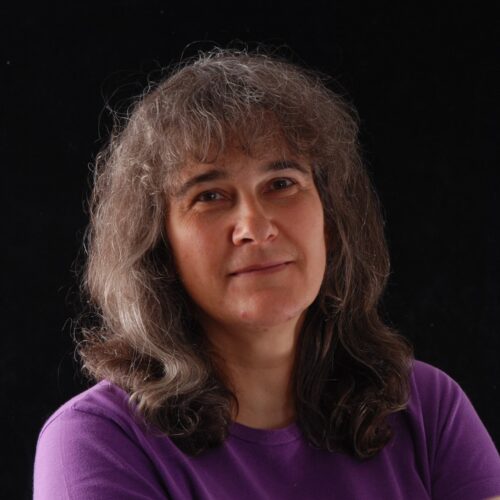
MARIANNE BÄNZIGER
Marianne Bänziger is a strategic advisor to international agricultural research leaders and implementation teams, currently working mostly with CGIAR. With a PhD in Natural Sciences from ETH Zürich, Switzerland, she joined CIMMYT in 1992 as a post-doctoral fellow. Between 1996 and 2004 she led CIMMYT’s collaborative maize stress breeding activities in southern Africa which produced impactful varieties and publications, and a cohort of inspired scientists. She became Maize Program Director in 2004 and CIMMYT Deputy Director General, Research and Partnerships in 2009 where she initiated the development and design of several large multi-institutional, multidisciplinary partnerships such as the CGIAR Research Programs on MAIZE and WHEAT, the Excellence in Breeding Platform, and Seeds of Discovery. Between 2007 and 2017, she was also one of three standing members of the scientific and technical advisory board of a leading agtech company, gaining deep insight into the approaches and reforms of a complex multinational bioscience organization.
Science Advisory Panel
BETTINA BERGER
Pronouns: She/Her
After a Masters degree in biotechnology and a PhD in plant molecular biology, Bettina used a two-year fellowship to focus on the emerging field of plant phenomics. Bettina joined the Australian Centre for Plant Functional Genomics in 2008, where she used non-destructive imaging to study the effects of salinity on barley.
In 2010, Bettina joined the newly established Plant Accelerator as Senior Scientist and became Scientific Director in 2015. The Plant Accelerator is one of the nodes of the Australian Plant Phenomics Facility (APPF) funded under the National Collaborative Research Infrastructure Strategy (NCRIS) and provides critical infrastructure and services to the plant science community. In her roles, Bettina has set up novel screening techniques to study plant growth and performance using automated, non-destructive imaging. She has engaged with researchers at all stages of their career, from the public sector and industry. The Plant Accelerator is accessed by researchers from Australia and overseas, including users from Europe, North America and Saudi Arabia. Bettina enjoys the opportunity to host visiting students and scientists and train them in modern phenotyping approaches. She has managed large scale phenotyping projects looking at various aspects of plant performance, including early vigour, salinity tolerance and nutrient use efficiency.
While her basic research has focused on salinity tolerance, Bettina is equally passionate about developing novel phenotyping approaches to support plant scientists in answering their research questions. Working together with customers and learning from each other to achieve the best possible outcome for their research project has been her biggest motivation.
Science Advisory Panel
BRUCE WALSH
Bruce Walsh is a population and quantitative geneticist with very diverse interests in plant and animal breeding, evolutionary biology, and statistical methods. He obtained a BS in Mathematical Population Biology from UC Davis, and a PhD in genetics from the University of Washington. He is currently a Professor of Ecology and Evolutionary Biology, Plant Sciences, and Public Health at the University of Arizona. He is perhaps best known for the two graduate textbooks on quantitative genetics that he coauthored with Mike Lynch (Lynch & Walsh, 1998, Genetics and Analysis of Quantitative Traits [a new version, along with Peter Visscher at UQ, is in the works]; and Walsh & Lynch 2018, Evolution and Selection of Quantitative Traits). He has taught almost 100 short courses on quantitative genetics in over two dozen countries, on all continents (except for Antarctica, where he is still awaiting an invitation). He is also an avid Lepidopterist, having described almost 30 new species of moths and has three species named after him.
Science Advisory Panel
DETLEF WEIGEL
Detlef Weigel, a German-American scientist, is currently a Director at the Max Planck Institute for Biology Tübingen. He is a member of the US National Academy of Sciences, the American Academy of Arts and Sciences, the German National Academy of Sciences Leopoldina and the Royal Society, and a recipient of several scientific awards, most recently the Novozymes Prize of the Novo Nordisk Foundation. He is among the ten most highly cited plant scientists in the world.
The first major finding from his lab was that an Arabidopsis gene could dramatically accelerate flowering of trees; this established a proof of concept for Arabidopsis genetics as a platform for biotechnological discoveries. His group later discovered the first plant microRNA mutant and identified the factor that we now know to be the long sought-after mobile flower-inducing signal. Detlef was also one of the first to exploit natural genetic variation for understanding how the environment affects plant development. In recent years, this work has come to incorporate questions at the interface of evolution and ecology: How can wild plants adapt to climate change, and how do they manage to keep their pathogens at bay? In this research, he draws on the fruits of a collaborative effort initiated over a decade ago to sequence the genomes of over 1,000 natural A. thaliana strains (The 1001 Genomes Project).
Detlef has an extensive record of service to the scientific community, having served on a series of editorial and advisory boards. He is a forceful advocate of open access publishing and founding Deputy Editor of eLife. He is a co-founder of three biotech startups.
Partner Investigator
BIOPLATFORMS AUSTRALIA
Bioplatforms Australia provides access to ‘omics technologies in support of all life science researchers working across human health, agriculture, biodiversity and industry. Bioplatforms is enabled by the Australian Government’s National Collaborative Research Infrastructure Strategy (NCRIS).
Partner Investigator
STEPHANIE ALEXANDER KITCHEN GARDEN FOUNDATION
The Stephanie Alexander Kitchen Garden Foundation (SAKGF) works to introduce pleasurable food education to children throughout their learning years, in order to form positive food habits for life.
Through hands-on growing, harvesting, preparing and sharing, children and young people learn valuable practical, life and soft skills, and an awareness of food systems and sustainability.
Iowa State University
Partner Investigator
SOTIRIOS ARCHONTOULIS
Sotirios Archontoulis is a professor of Agronomy at Iowa State University. His research aims to improve cropping systems’ productivity, profitability, and environmental sustainability. His research combines field experimentation with simulation modeling to understand genotype x management x environment interactions and predict/design future strategies across scales. Archontoulis holds a PhD from Wageningen University, the Netherlands, and is a Fellow of the American Society of Agronomy. Lab website: https://faculty.sites.iastate.edu/sarchont/Sotirios Archontoulis is a professor of Agronomy at Iowa State University. His research aims to improve cropping systems’ productivity, profitability, and environmental sustainability. His research combines field experimentation with simulation modeling to understand genotype x management x environment interactions and predict/design future strategies across scales. Archontoulis holds a PhD from Wageningen University, the Netherlands, and is a Fellow of the American Society of Agronomy. Lab website: https://faculty.sites.iastate.edu/sarchont/
BASF
Partner Investigator
COLIN CAVANAGH
Colin grew up on a cattle property in northern NSW and completed a Bachelor of Science in Agriculture at The University of Sydney. He then went on to complete a PhD in animal genetics at The University of Sydney. He worked at CSIRO in wheat genetics for 10 years before moving to Belgium to work for Bayer. He now lives in Brisbane and works for BASF focussing primarily on predictive breeding in row crops.
Computomics
Partner Investigator
RUPASHREE DASS
Pronouns: She/Her
Rupashree Dass develops Machine Learning models for predictive breeding.
Rupashree and her team at Computomics are developing ML/ DL methodologies for prediction of complex traits, capturing GxE interactions and finding important genetic markers.
They currently work with breeding customers in Barley, Maize, and Sunflower, and use xSeedScore to solve various breeding challenges.
Partner Investigator
CSIRO
CSIRO works with industry, government and the research community to turn science into solutions to address Australia’s greatest challenges, including food security and quality; sustainable energy and resources; health and wellbeing; resilient and valuable environments; future industries; and a secure Australia and region.
Global Crop Diversity Trust (Crop Trust)
Partner Investigator
HANNES DEMPEWOLF
Hannes Dempewolf is the Director of External Affairs and a Senior Scientist at the Crop Trust. He is responsible for coordinating the Crop Trust’s External Affairs Team. As such, he works at the interface of partnerships, resource mobilization, project development, science and policy. Before assuming his new role he has been leading the Crop Trust’s project ‘Adapting agriculture to climate change: collecting, protecting and preparing crop wild relatives’ for several years.
Hannes studied Plant Science at the University of Edinburgh and the Royal Botanic Gardens Edinburgh in Scotland and completed his PhD training in Botany at the University of British Columbia in Vancouver, Canada. Before joining the Crop Trust, he has led several field research projects on plant genetic resources in Peru, the Caribbean, Kenya and Ethiopia. His scientific interest focuses on the evolution, maintenance and conservation of agrobiodiversity, the importance of such diversity for farming communities and the role it can play for sustainable development and food security in times of a rapidly changing climate.
Corteva
Partner Investigator
ABELARDO DE LA VEGA
Abelardo de la Vega leads Seed Product Development for Latin America and Africa in Corteva since March 2021. He has 33 years of plant breeding experience; 18 of them as international plant breeding manager. As sunflower breeder, he has created more than 40 commercial hybrids registered across several countries. As plant breeding manager, he has responsibilities and experience for multiple crops across all continents: Sunflower Breeder and Country Research director (based in Argentina), Postdoc (Australia), Sunflower Sr Research Manager for Eastern Europe (based in Hungary), Global Sunflower Research Director (based in Spain), Europe Plant Breeding Lead (based in Switzerland) and Latin America and Africa Plant Breeding Lead (based in USA). He holds BSc and PhD degrees from the University of Buenos Aires; has authored peer review journal papers and book chapters; and has been invited lecturer, thesis evaluator and manuscript reviewer of several universities and international journals.
CIMMYT
Partner Investigator
SARAH HEARNE
Sarah Hearne focuses on identifying and “upcycling” breeder relevant native genetic variation for broader crop improvement applications. Working with multidisciplinary teams she explores, harnesses, re-combines and co-develops applications and approaches in the areas of genomics, informatics, biometrics and breeding methodology, driving data synergies towards more efficient and effective upstream discovery and breeding.
She currently leads projects on Mining Useful Alleles for Climate Change Adaptation from CGIAR Gene Banks, the Seeds of Discovery initiative and the Trait Discovery and Deployment and Toolbox areas of the Excellence in Breeding Platform. These activities focus on the large-scale genotypic and targeted phenotypic characterization of germplasm bank collections resulting in the identification of accessions and genomic regions of value, and translation of this knowledge into new breeder demanded donor germplasm.
This data-driven science is complemented by emphasis on outcome oriented project ad people management and data management and equitable, IP-sensitive knowledge sharing where Hearne is responsible for online resources that facilitate access to data, tools, services, germplasm, advice and training for other researchers and breeders.
Harvard University
Partner Investigator
N. MICHELE HOLBROOK
N. Michele (Missy) Holbrook is Charles Bullard Professor of Forestry in the Department of Organismic and Evolutionary Biology at Harvard University and also Director of the Harvard Forest.
Missy’s work focuses on the physics and physiology of vascular transport (both xylem and phloem) with the goal of understanding how constraints on the movement of water and solutes between soil and leaves influences ecological and evolutionary processes. Currently, her lab group is investigating questions related to cavitation, stomatal mechanics, leaf hydraulic design, controls on carbon allocation, and xylem evolution.
The University of British Columbia
Partner Investigator
LOREN RIESEBERG
Professor Loren Rieseberg’s lab employs population genomic approaches, computational methods, and field and greenhouse studies to study plant adaptation and speciation. They are especially interested in how gene flow, both within and between species, influences these processes. They also study factors that affect rates of gene flow, including reproductive barriers such as niche differentiation, phenological isolation, and pollen competition, as well as chromosomal inversions that impede gene flow mainly by suppressing recombination. On a more practical level, they integrate genomic and phenotypic data with results from laboratory and greenhouse experiments to identify evolutionary changes that causally drive plant invasions, mine natural populations for agronomically useful alleles, develop pre-bred lines to deliver these alleles to plant breeders, and generate genomic tools and resources for important crops such as sunflower and Cannabis.
Corteva
Partner Investigator
RADU TOTIR
Radu Totir has received his undergraduate degree in Animal Science from Universitatea de Stiinte Agricole si Medicina Veterinara, Cluj-Napoca, Romania followed by a PhD in Animal Breeding and Genetics from Iowa State University (ISU). After two years as a postdoctoral research fellow in the Animal Breeding and Genetics group at ISU, Radu joined DuPont Pioneer (now Corteva Agriscience) on October 01, 2004. He is currently Biostatistics and Scientific Computing Lead within the Breeding Technologies Department of the Seed Product Development (SPD) organization at Corteva Agriscience. In his current role, Radu works with teams of applied statisticians and computer scientists to integrate cross-functional applied science into high throughput genetic evaluation and product characterization software systems for Corteva’s SPD breeding teams. Specifically, in partnership with other technical groups across the organization, we are responsible for the optimal conversion of global high volume SPD research data streams: field, genomic and environmental, into actionable insights that help Corteva design, create and deliver, to our global customers, industry leading seed products.
University of Tasmania
Associate Investigator
VANESSA ADAMS
Dr Vanessa Adams is an Associate Professor in Conservation and Planning and ARC Future Fellow at the University of Tasmania. Her research focuses on modelling dynamic social-ecological systems to inform conservation decisions that improve ecosystems and the communities they support. This means her research is broadly aligned with three themes: ecological modelling (to understand dynamic ecosystems), socio-economic aspects of conservation (to understand the human dimensions of social-ecological systems), and conservation decision theory (to inform decision making). Vanessa was raised in New Mexico (USA) but now calls Australia home. She has worked in a variety roles ranging from actuarial analyst for global consulting firm Mercer HR to research scientist at universities. She spent a year as a Fulbright scholar conducting research at University of Queensland in 2004 and completed her PhD at James Cook University in 2011. During her PhD she was awarded a Sir Keith Murdoch fellowship through the American Australian Association to support a component of her research conducted in Fiji modelling costs of conservation actions to local fishermen. Vanessa partners with relevant government agencies and NGOs to ensure that her research is relevant to policy makers and is positioned to influence on-ground conservation.
Macquarie University
Associate Investigator
BRIAN ATWELL
Professor Brian Atwell is a plant scientist with particular interest in the impact of abiotic stress events on crop and forest species and their wild relatives. The interaction with rising carbon dioxide levels is often a theme of the research. Phenotypic effects are analysed at the level of whole-plant physiology, as we as extensive use of proteomics, transcriptomics and genomics data as a means of identifying underlying interactions between plants and the environment. Much recent work focuses on Australian wild crop relatives, particularly rice and cotton.
Queensland University of Technology
Associate Investigator
JULIA BALLY
Dr Julia Bally is a senior member of the “Crop and Biofactory Plant Genomics” group, and a program Leader of the “future leaders” group, within the Centre for Agriculture and the Bioeconomy (CAB), at the Queensland University of Technology (QUT). She has completed her PhD in Biological science in 2008 at Bayer Cropscience, in collaboration with the CNRS-University of Lyon (France), studying recombinant protein expression and folding in higher plant chloroplasts. She has then been involved in agricultural biotechnology research for more than 10 years. After a first post-doc at Bayer Cropscience, she joined the University of Sydney in 2011 on an ARC Super Science Fellowship. She spent this fellowship working on the model plant Nicotiana benthamiana and developing an extreme gene expression system as a platform for industrial plant-biotechnology, with a particular interest for research on gene silencing and RNAi. She subsequently joined QUT in 2014 to push forward her research and work in collaboration with big industry partners such as Corteva Agriscience, focusing on plant protection against agricultural pests and plant biofactory systems.
Institute for Plant Sciences of Montpellier
Associate Investigator
FRANCOIS BARBIER
Francois is a plant molecular physiologist working on the regulation of shoot architecture by sugars. Francois is specifically interested in the interactions between hormones and sugar signalling pathways during the regulation of shoot branching.
The University of Western Australia
Associate Investigator
JACQUELINE BATLEY
After gaining a BSc (Hons) in Biology from the University of Bristol, Jacqueline was awarded an MSc from the University of Durham. She undertook her PhD studies at Long Ashton Research Station and was awarded my PhD from the University of Bristol, UK in 2001. After a short postdoc at the University of Bristol Jacqueline moved to Australia in 2002, as a senior research scientist at DPI-Victoria. She returned to academia in 2007, leading a research group at the University of Queensland as an ARC QEII Research Fellow. In 2014 Jacqueline moved to the University of Western Australia to undertake her ARC Future Fellowship and currently leads a research group in crop genetics and genomics in the School of Biological Sciences, with a focus on disease resistance in Brassicas.
Jacqueline serves on the Editorial boards of BMC Genomics, Molecular Breeding, Frontiers in Plant Science, Agronomy and Plant Molecular Biology Reporter.
Wageningen University & Research
Associate Investigator
PARIYA BEHROUZI
I am an assistant professor in the Mathematical-Statistical Method group at Wageningen University since June 2019. My research focuses on the development of statistical methods for time-series data, dynamic networks, and graphical models. I am also interested in causal discovery and prediction to improve the understanding of complex systems and processes. As applications of my research, I focus on plant sciences, genetics, computational biology and food and nutrition. Other position: Member of the Wagenigen Young Academy Prior to my tenure track appointment at WUR, I was a Post-doc researcher between June 2017 and June 2019 in the Applied Mathematical-Statistical group at WU. During my Post-doc, I worked on a project entitled “Network-based statistical inference for studying muscle health in relation to physical functioning and nutrition”. My research there involved methodological and software developments. I was involved also in other multi-disciplinary projects. Prior to joining the group at WUR, I was a PhD candidate at the University of Groningen. During my PhD, I have developed statistical methodologies and software packages based on probabilistic graphical models for high-dimensional data. This has resulted in my PhD thesis entitled “Extensions of Graphical Models with Applications in Genetics and Genomics”. I have defended my thesis in January 2018. I have an M.Sc. degree in Mathematical Statistics and B.Sc degree in Statistics.
University of Adelaide
Associate Investigator
SCOTT BODEN
Scott investigates the genetic regulation of inflorescence development and flowering-time in wheat, oats and barley. He is particularly interested in the developmental processes that determine the number and arrangement of grain-producing flowers that form on an inflorescence, with the aim to use this knowledge to improve yield potential of cereals. Scott completed his PhD at the University of Adelaide and held post-doctoral fellowships at the John Innes Centre and CSIRO from 2008-2014. In 2015, Scott returned to JIC as a Group Leader and Royal Society Research Fellow, before returning to the Waite Campus in Adelaide to lead a group investigating reproductive development in cereals. He is now an ARC-funded Future Fellow.
The University of Queensland
Associate Investigator
ANDREW BORRELL
Andrew Borrell is a crop physiologist and a Professor in Crop Science with the Queensland Alliance for Agriculture and Food Innovation (QAAFI) at The University of Queensland. His research interests include the physiological/molecular basis of drought adaptation in cereals (sorghum, wheat, rice & barley), focusing on traits that impact water demand (canopy development) and water supply (root architecture); the efficiency with which resources (radiation, water and nitrogen) are utilized by crop plants; the impact of leaf anatomy on photosynthesis; and novel water-saving technologies for rice-based cropping systems in Asia. He is particularly interested in the nexus between climate change, water, agriculture, and food security. Professor Borrell is a Churchill Fellow and has previously served as Centre Leader of the Queensland Government’s Hermitage Research Facility for more than a decade.
La Trobe University
Associate Investigator
PHIL BREWER
Phil Brewer was awarded a prestigious ARC Future Fellowship in 2018 and joined the University of Adelaide Waite Research Institute. He completed his PhD at Monash University and gained postdoctoral experience at Tübingen University and the University of Queensland. Phil’s research interest involves the way plant hormones help plants to respond to changed growth conditions. His research has focused on strigolactone production and action, particularly how that relates to auxin and the transport of auxin. Strigolactones have risen to prominence as regulators of shoot branching, root architecture and plant-fungi symbiosis. They help plants cope with sub-optimal growth conditions, such as low nutrients, shading, cold, drought and salinity, and attack from pathogens or parasitic weeds. Although strigolactones may function directly in responsive plant cells through regulating gene expression, they also display a distinctive non-transcriptional and non-cell autonomous inhibition of auxin transporters. While Phil’s immediate focus is to uncover the mechanism of strigolactone action on auxin transport in Arabidopsis, he also seeks to transfer knowledge about how this may affect root architecture and performance of barley to improve yield under sub-optimal growth conditions.
Yale University
Associate Investigator
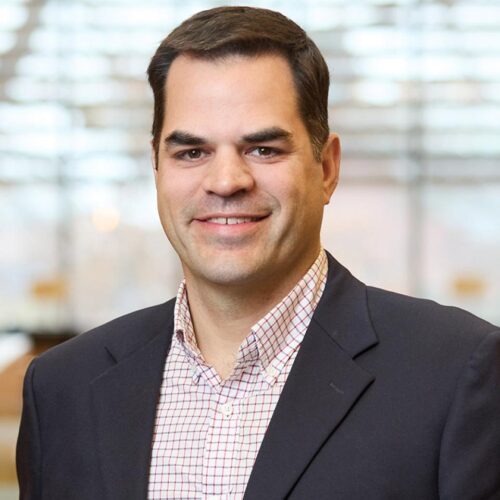
CRAIG BRODERSEN
Pronouns: He/Him
Craig Brodersen is a plant physiological ecologist. His research team is focused on understanding the relationships between plant structure and function, with a special interest in plant water relations and how plants cope with drought.
Queensland University of Technology
Associate Investigator
PAMELA BURRAGE
Pamela Burrage has extensive experience in the development and implementation of numerical methods, including parallel implementation of optimised algorithms, novel visualisation techniques and stochastic simulation. Her work with Populations of Models and Uncertainty Quantification enables insight into the inherent variability in species interactions in complex systems.
Universidad Austral de Chile
Associate Investigator
DANIELA BUSTOS-KORTS
Daniela’s main interest is genotype to phenotype modelling to characterize and predict crop adaptation across multiple environments. These modelling approaches integrate physiology, crop modelling and statistics. She works at Universidad Austral de Chile, leading projects about wheat adaptation to dry environments. She also teaches bachelor and postgraduate courses focusing on models to support breeding and agronomic management decisions.
University of Tasmania
Associate Investigator
MICHAEL CHARLESTON
Michael Charleston was born and raised in New Zealand, where he completed his BSc in mathematics and physics, Honours (maths) and PhD in phylogenetics. He has lived in several other places before settling in Tasmania: Austin TX, Glasgow, Oxford, London and Sydney.
This has ended up with about a decade in a maths & stats department, then a decade in zoology departments (Austin, Glasgow, Oxford), then another one in computer science (Sydney), before returning to mathematics once more.
Michael enjoys bioinformatics, discrete mathematics, algorithms and data structures, modelling, mathematical & evolutionary biology including epidemiological modelling, programming in C++ and Java, and bash scripting.
He also enjoys tabletop board games, table tennis, playing the flute (not as well as he used to), and science fiction.
The University of Queensland
Associate Investigator
KARINE CHENU
Karine Chenu is Associate Professor at the Queensland Alliance for Agriculture and Food Innovation (QAAFI) at the University of Queensland.
Karine has expertise in ecophysiology, genetics and modelling with a focus on drought and heat adaptation.
Her group is conducting research that supports crop modelling technology, plant design and breeding strategies in winter cereals.
Her research mainly concerns:
– understanding trait physiology and genetics,
– developing gene-to-phenotype crop modelling
– exploring novel combinations of genotypes, environments and management practices to assist productivity improvement in changing environments.
Karine works closely with plant breeders, geneticists, modellers and agronomists in a range of national and international research projects in both public and private sectors.
Western Sydney University
Associate Investigator
BRENDAN CHOAT
Brendan Choat is a Professor and Future Fellow (2014-2018) at WSU, Hawkesbury Institute for the Environment. His research centres on the physiological ecology of plants with a primary focus on plant hydraulics, water relations and functional anatomy.
Brendan obtained his BSc (Hons) in 1997 (JCU) and his PhD in 2003 (JCU). From 2003-2005 he worked as a Post Doctoral Fellow at Harvard University in the Department of Organismic and Evolutionary Biology. He held a second Post Doctoral Fellowship in the Department of Viticulture and Enology at the University of California, Davis from 2005-2008. In 2008 he returned to Australia to take up a Research Fellowship at ANU before moving to the Hawkesbury Institute for the Environment. He is editor in chief for the PrometheusWiki Project and on the editorial board of the journal Plant Biology. In 2010 he was awarded an Alexander von Humboldt Fellowship for Experienced Researchers. In 2013, Prof Choat was awarded an ARC Future Fellowship for his work on mapping drought responses in trees.
James Cook University
Associate Investigator
DARREN CRAYN
Prof. Crayn is the inaugural Director of the Australian Tropical Herbarium, a joint venture based at James Cook University in Cairns involving the Australian Government (through CSIRO and the Director, National Parks) and the Queensland Government (through the Queensland Herbarium).
He studies of the origins, evolution, biogeography and classification of plants, including:
• discovering, naming and classifying new plant species and determining the evolutionary relationships among them,
• mapping the distribution of ecosystems, species and genetic variation within species across the landscape,
• developing DNA-based tools and ‘matrix keys’ for species identification and rapid biodiversity inventory
• uncovering the deep-time origins and ancient migration pathways of plants that are found in tropical Australia today.
Prof. Crayn also works enthusiastically in service and outreach having held numerous positions on a wide range of advisory, policy development and representative bodies in plant systematics and biodiversity science generally, including roles advising state and Commonwealth governments, leadership roles in professional societies, and roles on granting bodies.
The University of Queensland
Associate Investigator
PETER CRISP
Peter investigates crop epigenomics in the School of Agriculture and Food Sciences at the University of Queensland. Peter completed his PhD at the Australian National University and was then a Postdoctoral Fellow at the University of Minnesota 2017-2019, before returning to lead a group at UQ in 2020. His research group seeks to understand the contribution of epigenetics to heritable phenotypic variation in crop plants, focusing on cereals including barley, sorghum, wheat and maize. This includes the development of methods to harness epigenetic variation for crop improvement; understanding epigenomic diversity and its influence on trait variation, and using innovative epigenomic approaches to distill large genomes down to the relatively small fraction of regions that are functionally important. Research in the Crisp Lab spans both wet lab and computational biology providing a powerful platform to integrate genetic, genomic and biotechnological approaches.
The University of Queensland
Associate Investigator
JAN ENGELSTAEDTER
Pronouns: He/Him
Jan Engelstaedter is an Associate Professor at the School of Biological Sciences at UQ. He is an evolutionary geneticist with a strong focus on applying mathematical models to biological questions. His current research interests include predicting the evolutionary dynamics of adaptation and the evolution of sex and recombination.
Within the Centre, Jan is contributing mainly to:
Program 2: Mechanism and Network Prediction – Mechanistic adaptation, Predicting adaptive trajectories in natural systems
Donald Danforth Plant Science Center
Associate Investigator
ANDREA EVELAND
Dr. Andrea Eveland received her PhD in Plant Cell and Molecular Biology from the University of Florida in 2008. As an NSF postdoctoral fellow, she trained in bioinformatics and plant development at Cold Spring Harbor Laboratory, where she used genomics methods to study regulation of maize inflorescence architecture. Eveland started her research program at the Donald Danforth Plant Science Center in St. Louis in 2014. Her group investigates gene networks and regulatory variation underlying shoot architecture traits and stress response pathways in cereals, mainly maize and sorghum. She is also adjunct faculty in the Department of Biological Sciences at the University of Missouri and currently serves on the Maize Genetics Cooperation Board of Directors.
Queensland University of Technology
Associate Investigator
FELIPE DE FELIPPES
Dr de Felippes has focused most of his career studying the mechanism of RNA interference in plants, which plays a critical role in many physiological processes, from development to defence against viruses. He completed his bachelor’s and master’s degrees at the Universidade Federal do Rio Grande do Sul (UFRGS), Porto Alegre, Brazil. He then joined the Max Planck Institute for Developmental Biology (Tübingen, Germany) as a Ph.D. student, working later as a postdoctoral fellow at the Swiss Federal Institute of Technology (ETH) in Zurich, Switzerland. In 2017, Dr de Felippes joined the Queensland University of Technology (QUT), as a Senior Research Associate. His current work focuses on research involving the RNA interference pathway, plant response to abiotic stress, protection against viruses, gene regulation, genomics and gene editing.
The University of Queensland
Associate Investigator
BRETT FERGUSON
A/Prof Brett Ferguson leads the Integrative Legume Research Group (ILRG) in the School of Agriculture and Food Sustainability (AGFS) at the University of Queensland (UQ). His research interest are in molecular genetics, genomics, genetic transformation and genome editing, such as CRISPR, to unravel the molecular mechanisms driving plant development. His primary focus is on legume crops, using biotechnology and bioinformatic approaches to identify key genes and signals controlling traits of interest. This includes the agriculturally- and environmentally-important symbiosis between legume plants and beneficial rhizobia bacteria that fix critical nitrogen for their host plant. In addition, A/Prof Ferguson works with the legume tree, Pongamia pinatta, which has tremendous potential as a feedstock for the sustainable production of biodiesel and aviation fuel.
Heinrich Heine Universität Düsseldorf
Associate Investigator
FRANZISKA FICHTNER
Franziska’s research focuses on the connection between plant metabolism and phenotype. She is especially interested in the sucrose-specific signalling metabolite, trehalose 6-phosphate (Tre6P), that is also a negative feedback regulator of sucrose levels. Her work and the work of others demonstrated that changes in Tre6P levels lead to many metabolic and phenotypic alterations in plants including changes in shoot architecture. Franzi did her PhD in the group of Mark Stitt at the Max Planck Institute of Plant Molecular Physiology where she started to work under the supervision of John Lunn on plant metabolism and how it influences plant development, with a special focus on Tre6P signalling. In her current postdoc in Christine Beveridge’s lab, Franzi investigates how sugar and phytohormone signalling pathways are connected to regulate shoot branching in arabidopsis (Arabidopsis thaliana) and pea (Pisum sativum). She is trying to understand how Tre6P modulates shoot architecture, how it interacts with known phytohormones and what molecular mechanisms are involved.
Western Sydney University
Associate Investigator
ADAM FREW
Dr Adam Frew is an ecologist whose research group focuses on the interactions between soil microbiota, plants, and insect herbivores. A major theme of his research is understanding the ecology of arbuscular mycorrhizal fungi and their effects on plant outcomes. Adam’s research career began in Scotland, where he was introduced to the interactions between plants and insect herbivores and developed an interest in the mechanisms through which silicon can affect plant-herbivore interactions. This interest led Adam to move to Australia, where he obtained his PhD from the Hawkesbury Institute for the Environment (HIE) in 2017. While studying the impacts of the soil environment on root-feeding insects, he became fascinated by arbuscular mycorrhizal (AM) fungi. He pursued his interest in the ecology of mycorrhizal fungal-plant-herbivore interactions during a Postdoctoral Research Fellowship at Charles Sturt University in Wagga Wagga, where he was awarded an independent research fellowship (2017-2019). Adam then moved to the University of Southern Queensland to continue investigating AM fungal ecology, focusing on developing a mechanistic understanding of how AM fungal communities affect plant-insect herbivore interactions. He also taught a variety of environmental and sustainability subjects (2019-2022). While working at the University of Southern Queensland, Adam was awarded an Australian Research Council Early Career Research Fellow (DECRA 2022-2024). At this point, the call to return to HIE was one he could no longer ignore, and he rejoined the institute in 2022. Since then, he has been exploring how agricultural management shapes mycorrhizal fungal diversity and how community composition impacts plant defenses against insect herbivores. In 2023, Adam was awarded the Next Generation Ecologist Award by the Ecological Society of Australia for his pioneering work with AM fungal networks in agricultural and natural landscapes across Australia.
Western Sydney University
Associate Investigator
RACHAEL GALLAGHER
A/Prof Rachael Gallagher is a plant ecologist and conservation biologist. She runs a research program at the Hawkesbury Institute for the Environment investigating plant diversity and adaptation, including experimental and field studies of plant responses to key threatening processes such as climate change. Rachael’s research draws on national and international initiatives on plant traits and ranges, several of which she contributes to directly as co-curator of the national AusTraits database. She uses these rich sources of data to inform continental and global scale studies in plant biogeography.
Rachael has worked in plant science since 2004, initially at the National Herbarium of NSW and subsequently as an Australian Research Council Early Career Research Fellow (DECRA 2017-2021). She is a current member of the Commonwealth Threatened Species Scientific Committee (TSSC) and previous Deputy Chair and member of the NSW TSSC (2016-2021). In 2020, Rachael was awarded NSW Premiers Prize for Early Career Research (Biological Sciences) in recognition of her national assessment of the impacts of the 2019-2020 bushfire season on Australian plant diversity. Her work prioritising plant species for recovery actions after the fires has been widely applied to inform planning, management, and extinction risk assessment at the State and Commonwealth level.
CSIRO
Associate Investigator
JASON GEIJSKES
Pronouns: He/Him
Jason Geijskes has over 25 years of experience in plant Genetic modification, Gene Editing and crop improvement in academic and industry organisations. Jason has a number of publications and patents in genetic modification methods, transgene expression and biomass modification. Jason’s diverse experience includes:
– Syngenta lead for the Syngenta Centre for Sugarcane Biofuels Development, a collaboration with QUT.
– Biotechnology Group Leader for Syngenta in Brazil, leading commercial genetic improvement programs.
– Biotechnology Regulatory Affairs Lead for Syngenta in APAC.
Jason is currently the Group Leader for Trait Innovation at CSIRO which conducts crop improvement research, including trait development and Gene Editing, in a number of cereal, oilseed and pulse crops.
The University of Queensland
Associate Investigator
CARLA GHO BRITO
Pronouns: She, Her
Carla has experience in field-based and controlled-environment, high-throughput, plant phenotyping for complex traits related to plant adaptations and crop yield in agricultural systems. Carla has previously worked in industry commercial settings where she was responsible for managing teams executing on large scale field phenotyping of multiple crops, including maize, sorghum and soybean, to investigate Genotype-by-Environment-by-Management (GxExM) interactions. Carla is advising on the implementation of high-throughput phenotyping systems at the CoE UQ Node for phenotyping Arabidopsis experiments to investigate population genomics and selection responses for the branching network with CIs Beveridge and Cooper.
The University of Queensland
Associate Investigator
JIM HANAN
Jim’s major research theme is the development of mathematical, computer graphics and simulation approaches and techniques that facilitate the study of genetics, physiology, morphogenesis and ecology at the scale of cells, individual plants and insects and their components. These developments in computational biology are being used to increase our understanding of the dynamics of morphogenesis, and as a tool in applied research and education.
The University of Queensland
Associate Investigator
CRAIG HARDNER
A/Prof Craig Hardner has over 30 years research experience in quantitative genetics and breeding of perennial crops including macadamia, eucalyptus, apple, mango, sweet cherry, peach, almond, citrus, strawberry, willow, pineapple, and blueberry. His major research foci are multi-variate mixed linear models, genotype-by-environment interaction, genomic prediction in horticultural crops, cost-effective genotyping for application in breeding, breeding strategies, genetics of sensory traits, multi-trait selection, and history of domestication of macadamia and apple. Craig holds a PhD in eucalypts genetics from University of Tasmania. Between 1996 – 2007, he led the CSIRO macadamia breeding program that developed four new macadamia cultivars that were released to the Australian industry in 2017. He currently leads projects 2 research projects (AgriFutures and Hort innovation), and activities in four others (USDA and 3×Hort Innovation). Craig has published 4 book chapters, 88 research papers, and is the author of cultivar descriptions for macadamia in the US Register of New Fruit and Nut Cultivars.
The University of Queensland
Associate Investigator
SIMON HART
The goal of Simon’s research is to understand the processes driving the rise and fall of populations of species within communities, and how these dynamics affect species distributions.
Simon has helped to quantify the influence of demographic stochasticity, individual variation, phenotypic plasticity, rapid evolution, and spatial environmental heterogeneity on population and community dynamics.
He is also interested in the role of non-stationary environments, fluctuating environments, and ‘extreme events’ on dynamics and distributions.
His focus is on the biology of flowing freshwater ecosystems — streams, rivers, and associated wetlands. These systems provide wonderfully challenging opportunities for combining theory, observations, and experiments to discover how nature works. More importantly, freshwater ecosystems are, per unit area, the most biodiverse ecosystems on the planet, and yet they remain underexplored, underappreciated, and under threat.
Monash University
Associate Investigator
KAY HODGINS
Kay is the Head of the Plant Ecological Genomics Research Group and Director of Equity, Diversity and Inclusion at Monash University. Kay has a diversity of research interests that generally focus on plant evolution in human altered environments. She is particularly interested in the genetic basis of climate adaptation in natural plant populations. Using genomic and experimental studies of invasive plants and foundation species, her lab seeks to identify the genes underlying these changes and to understand the constraints and biases that may impact the genetic basis of adaptation.
The University of Queensland
Associate Investigator
PHILIP HUGENHOLTZ
Professor Hugenholtz is a microbiologist who has made significant contributions in the field of culture-independent analysis of microorganisms. He discovered and characterised numerous previously unrecognised major bacterial and archaea lineages and has developed a systematic genome-based classification for prokaryotes.
University of Tasmania
Associate Investigator
REBECCA JONES
Rebecca works on various aspects of eucalypt genetics, including phylogenetics, conservation genetics, developmental genetics, and evolution and speciation. As an Associate Investigator within the Centre, she is aligned with a research program examining the evolution of drought-tolerance traits within the Australian eucalypts.
University of Tasmania
Associate Investigator
GREG JORDAN
Prof Jordan is a teaching and research academic, who has worked at the University of Tasmania for a very long time. His research is broad but is held together by the unifying concept of how plants respond to long term environmental change. It integrates information from phylogeny, fossils, physiology and anatomy/morphology, particularly of leaves.
Macquarie University
Associate Investigator
MICHELLE LEISHMAN
Michelle Leishman is an internationally renowned biologist who works in the fields of plant invasion biology, climate change impacts and adaptation, conservation and urban ecology. She is highly cited with more than 170 published book chapters and journal articles. She leads a research group in the Department of Biological Sciences at Macquarie University and is Director of Macquarie’s Smart Green Cities. She has led the development of widely used online tools for climate change adaptation, in close association with government and currently leads the Which Plant Where project which aims to facilitate resilient and diverse green urban spaces. Michelle is a Trustee of the Royal Botanic Gardens and Domain Trust and Chair of their Scientific and Conservation Committee. She is also on the Board of Bush Heritage Australia and an elected council member of the Australian Flora Foundation.
CSIRO
Associate Investigator
COLLEEN MACMILLAN
Dr Colleen MacMillan is fascinated by plant secondary cell walls and applies this passion in applications for their uses in biodegradable renewable plant-based industries and commodities.
Colleen is the Cotton Fibre Team Leader in the Cotton Biotechnology Group at CSIRO Agriculture and Food, based at Black Mountain, Canberra, Australia. Biotechnology-based research is her mechanism of choice, to help create solutions for sustainable fibre-based industries. Currently this includes a range of collaborative research areas such as CSIRO’s Future Science Platforms SynBio Novel Fibres Project, and fibre cell wall synthesis and function projects, in CSIRO Agriculture and Food, and with other CSIRO and external collaborators in Australia and internationally.
Colleen completed a PhD in crop molecular biology and physiology, on plant hormone (gibberellin) synthesis and signalling in seasonal flowering of perennial ryegrass (University of Melbourne, 2004). Since then she has researched agricultural crops and plant secondary cell walls at various organisations such as CSIRO – Plant Industry / Agriculture and Food / Forest Biosciences, and ensis an unincorporated joint venture in forestry.
Her research of plant secondary cell walls spans molecular biology genes and networks, carbohydrate synthesis and deposition, cell-wall proteins, biomechanics, in Nicotiana pollen tubes and wood development, eucalypt wood development and traits, cotton quality traits, Arabidopsis. She values science collaboration across a wide range of domains and with diverse people, and research that makes positive impacts on people, the environment, and economies.
In addition to science, Colleen has a strong commitment to inclusion of diversity for science and is the inaugural inclusion of diversity executive lead for CSIRO Agriculture and Food. She is also a long-standing member of CSIRO’s Science in Australia Gender Equity (SAGE) Self-Assessment Team.
Purdue University
Associate Investigator
SCOTT MCADAM
Scott McAdam is an Assistant Professor at Purdue University, IN, USA. Scott did his PhD and an ARC DECRA Fellowship at the University of Tasmania with Professor Tim Brodribb, before taking up his current position in 2017.
The McAdam lab investigates the major physiological innovations that allowed plants to survive on land and colonize increasingly arid environments over the past 450 million years.
We make use of ecological and evolutionary diversity to answer fundamental questions related to the roles of stomatal regulation, plant hormones particularly abscisic acid, and xylem physiology in driving land plant tolerance to water deficit.
The University of Queensland
Associate Investigator
KATRINA MCGUIGAN
Associate Professor Katrina McGuigan has worked at The University of Queensland for more than 25 years. Her research primarily focuses on using Drosophila melanogaster as a study system to address population genetics and quantitative genomics questions. Her expertise dovetails the research goal of one key project of the Centre, aiming to decipher the genetic basis of the shoot branching and flowering timing phenotypes using Arabidopsis populations across Eurasia.
CSIRO
Associate Investigator
MEREDITH MCNEIL
Meredith is the Team Leader of the Genome to Phenome (G2P) Team, which leverages the latest advancements in genomics, phenomics, and computational biology to enable informed breeding decisions and assist in the development of improved crop varieties. The team has cross-domain expertise in quantitative genetics, molecular biology, genomics, bioinformatics, transcriptomics, and crop datascience. Her primary research vision is in developing innovative and reusable scientific data pipelines for the analysis of large datasets to support breeding outcomes in the agriculture industry. Meredith is providing leadership to deliver innovative science in strategic crops such as wheat, canola and lupin and also in oats for gene target identification for delivery into crop breeding (via marker or model-based solutions) and Precision Gene Editing programs. Meredith also has a passion for empowering others in digital skills and embracing digital technologies. By championing digital transformation and empowering individuals, she creates an environment where innovative ideas can thrive, equipping individuals with the necessary tools to engage with the CSIRO strategy and contribute to impactful outcomes in the agriculture industry.
University of Western Australia
Associate Investigator
RANA MUNNS
Emeritus Professor Rana Munns is recognised internationally for her research in the fundamental principles of crop adaptation to salinity, and for applications of these insights. She defined the critical plant processes for tolerance to soil salinity, and showed which distinguishes salinity stress from drought stress. She discovered genes for sodium exclusion and led a research team on the genetic basis of salt tolerance in durum wheat, which produced breeding lines yielding 25% more grain on saline soils in farmers’ fields.
She has retired from CSIRO Agriculture and Food, and lives at Lennox Head NSW. She is now Emeritus Professor at the University of Western Australia. She is a Fellow of the Australian Academy of Science, and The World Academy of Sciences.
University of Tasmania
Associate Investigator
DIANNE NICOL
In 2021, Dianne Nicol stood down from her roles as Distinguished Professor of Law and Director of the Centre for Law and Genetics at the University of Tasmania in Australia, but continues as Adjunct Professor. Dianne has a background in science as well as law, with a PhD in cell biology. She is a fellow of the Australian Academy of Law and the Australian Academy of Health and Medical Sciences. Her research focuses primarily on the ethical, legal and social issues associated with human genomics. However, she has broader interest in genomics more generally, particularly the interface between commercialisation and access and benefit sharing.
The University of Queensland
Associate Investigator
RIKU OYA
Riku Oya is a mechatronics engineer and a member of the University of Queensland Node of the Australian Plant Phenomics Network (APPN), collaborating with multiple CI, Postdoc and HDR members of the UQ node of the CoE Plant Success at multiple locations. Riku is a Senior Research Engineer with expertise focused on developing high throughput digital phenotyping technologies (hardware and software) for measuring plant trait phenotypes in controlled environment, glasshouse, and field conditions. As part of his role in the APPN, Riku will align and coordinate the development of APPN UQ node phenotyping capabilities with the field-based phenotyping capabilities led by Sean Reynolds Massey-Reed, that are deployed at the UQ Hermitage station, working with CI Prof. David Jordan and AI Prof. Emma Mace. In addition to aligning the development of the APPN field-based phenotyping capabilities for CoE Plant Success experiments for sorghum and other field crops, Riku will also support the phenotyping collaborations between Prof. Mark Cooper and Prof. Christine Beveridge and Carla Gho (CoE Plant Success AI) of the APPN to enable high-throughput digital phenotyping for flowering time, branching and other traits for the large-scale Arabidopsis experiments underway in the UQ Plant Futures Facility. Riku’s mechatronics engineering expertise will be essential to find workable engineering solutions to automate the complex digital phenotyping of traits on large-scale population genetics experiments, where 1000s of plants have to be measured multiple times in a time series during plant development stages within experiments to be conducted from 2025 to 2027.
Western Sydney University
Associate Investigator
JONATHAN PLETT
Dr Jonathan Plett joined the team at the Hawkesbury Institute for the Environment in October 2012 where he currently holds a senior lectureship in plant-microbe interactions. Dr. Plett did his PhD at Queen’s University in Canada in the area of plant hormone perception and disease immunity. In January of 2009 he began his post doctoral research at L’Institut National de la Recherche Agronomique (INRA), France, where he worked on functionally characterizing small secreted protein signals that coordinate symbiosis between plants and soil-borne mutualistic fungi – an interaction that is essential for the continued health and productivity of forests. The aim of his research program is to compare and contrast the genetic traits in plants that render them susceptible to colonization by mutualistic versus pathogenic microbes. Further, he studies the countermeasures used by microbes to manipulate the outcome of these interactions.
Dr. Plett uses plant hosts from forestry and agricultural contexts (e.g. Pinus, Eucalyptus, Solanum, Cicer) combined with their associated oomycete, fungal, and bacterial partners (e.g. Phytophthora, Pisolithus, Rhizophagus, Mesorhizobium) to tackle these complex questions. He specializes in combining a range of different techniques from molecular biology and biochemistry, including genomic and transcriptomic analysis, protein:protein interaction assays, enzymatic tests as well as the creation and characterization of mutant organisms to achieve his research goals. The outcome of this research will be a better understanding of the biological mechanisms that can be leveraged in future to mitigate the negative effects of abiotic stress associated with climate change.
CSIRO
Associate Investigator
VIVIEN (VIV) ROLLAND
Vivien (Viv) Rolland is a collaborative plant microimaging & biotechnology expert with a mindset focused on developing cross-discipline solutions to improve crop value and sustainability. He delivers impact for people and the environment through microimaging, plant biotechnology, and artificial intelligence (AI).
Viv is the recipient of a 2019 CSIRO Julius Career Award, a 2022 ACT Young Tall Poppy Science Award and a 2023 Nuffield Scholarship.
He is investigating how recent advances in microimaging, image analysis and AI can be used to design new ways to investigate crop performance in the field and deliver impact for breeders and growers. Previously, he has been involved in SynBio efforts to engineer natural cotton fibres with new properties to partially replace fossil-fuel based synthetics, or increase oil content in plant leaves for biotech applications aiming to support a growing global demand.
Viv co-leads the Object Detection activity of the Machine Learning and Artificial Intelligence FSP, a cross-discipline 4-year initiative (2019-2023) to develop new Machine Learning and Computer Vision research to deliver practical solutions across domains and scales – from single-cell organisms to radiogalaxies! As part of this role, Viv leads a cross-discipline team of 10 postdocs and ~50 in-kind staff.
Viv also leads the Black Mountain microImaging Centre (BMIC), which provides expertise, training, and state-of-the art microimaging capabilities to 100+ users, to enable impactful scientific discoveries for Agriculture.
Viv is the Translational Biology Team Leader and his leadership style is centred around creating an inclusive and supportive work environment where diverse talents can thrive. He also enthusiastically shares his passion for science through various science outreach initiatives. For example, Viv engages with students of various ages (e.g. Aboriginal ASSETS program and National Youth Science Forum) and communicates his science with the general public via media streams (e.g. profile on the Australian Academy of Science website , ABC radio, or media report on Cotton fibres). Viv is particularly interested in promoting and supporting engagement and partnerships with First Nations Peoples and currently supervises Kyah Chewying, a CSIRO Indigenous Cadet.
Scientific editing, peer-reviewing and publishing: Viv is an Associate Editor for BMC Plant Methods, and he peer-reviews for a range of top-tier journals. So far, Viv has co-authored 2 provisional patents and 26 scientific publications (Scopus citations: 755, H-factor=12, Google Scholar citations: 1071, H-factor=14) in The Plant Cell, Plant Physiology, Plant Biotechnology Journal, Current Opinion in Plant Biology, Genome Biology, ISME J, WACV, Developmental Cell, Journal of Experimental Botany, Development, Frontiers in Plant Science, Frontiers in Microbiology, Plant Methods, Plant and Cell Physiology and Plant Direct.
ResearcherID: O-9126-2015
Australian National University
Associate Investigator
YONG-LING RUAN
Professor Yong-Ling Ruan is currently an honorary Group Leader at the Research School of Biology, Australian National University (ANU). He focuses his research on identifying genetic and biochemical bottlenecks that limit nutrient & energy resource allocation to, and utilization within, major organs such as fruits and seeds for improving plant fitness and food and fibre production and quality.
His research aims to:
(i) Elucidate mechanisms by which sugar metabolism, transport & signalling regulate plant development & stress tolerance.
(ii) Identify regulatory genes & signals that control carbon nutrient distribution and plant cell growth.
(iii) Dissect molecular networks underpinning resource partitioning & reproductive output during evolution & domestication.
He has led his team to a sustained success with findings and insights published in top journals in Plant Biology such as Plant Cell, Nature Plants, Molecular Plant, New Phytologist, Plant Physiology, Plant Journal and in leading multidisciplinary journals including PNAS, JBC and Nature Genetics. He has written multiple invited articles for Annual Review of Plant Biology and Trends in Plant Science.
Prof Ruan has received several prestigious awards including Peter Goldacre medal from ASPS, Distinguished Young Scientist award from NSFC and the title of Guang-Biao Chair Professor from Zhejiang University and Changjiang Lecture Professorship.
He currently serves on the editorial boards of Molecular Plant and Journal of Plant Physiology. He was the founding director of Aust-China Research Centre for Crop Improvement at the University of Newcastle (2009-2021) and a member of ARC College of Experts (2019-2021).
Western Sydney University
Associate Investigator
PAUL RYMER
A/Prof Paul Rymer is a plant evolutionary ecologist. Growing up in the Blue Mountains, Paul was inspired by nature and the capacity for plants to not only cope with major disasters (e.g., wildfires and drought) but thrive in their wake with an amazing diversity of forms and functions. Paul runs a research program at the Hawkesbury Institute for the Environment where he investigates the factors driving/eroding biodiversity and biological adaptations. His research group actively collaborates with a broad range of groups to employ an interdisciplinary approach from ecology, physiology, and genetics his research provides fundamental insights into biological processes and the foundation for improved management of real-world issues.
Western Sydney University
Associate Investigator
BEN SMITH
Professor Ben Smith is a renowned ecologist and ecosystem modeller, he is celebrated for his pioneering work in climate-ecosystem modelling for global change assessment. Beginning his career with a PhD in vegetation ecology from the University of Otago in 1996, Ben held postdoctoral positions in Sweden and Germany before securing tenure at Lund University, Sweden. There, he became a Professor of Ecosystem Science in 2012 and led a prominent research group funded by Swedish and EU grants. Ben led the development of one of the most widely used terrestrial biosphere models, contributing to global science-policy platforms like the IPCC and the Global Carbon Project. He also helped create the Australian Community Land Surface Model, CABLE, integral to Australia’s national IPCC assessments. His contributions earned him recognition as a Clarivate Highly Cited Researcher from 2019-2021. In 2018, Ben became the Director of Research at Western Sydney University’s Hawkesbury Institute for the Environment. Where he oversees research on sustainable land management and primary industry practices, leading projects funded by ARC Discovery, Linkage, state government, European Union Horizon, and the Swedish Research Council. He supervises eight PhD students, four as the lead supervisor. Ben maintains a part-time role at Lund University and an honorary position with CSIRO Environment, focusing on carbon cycle assessment and advancing the ACCESS Earth system modelling platform for Australia’s IPCC contributions. Currently, Ben leads the Land and Primary Industries Network of the NSW Decarbonisation Innovation Hub and serves on the Climate Change Agriculture Advisory Group of the NSW Environmental Protection Authority, supporting the state’s net-zero targets.
The University of Queensland
Associate Investigator
MILOS TANURDIC
Miloš Tanurdžić is a research group leader and senior lecturer in the School of Biological Sciences at The University of Queensland. He is also a visiting professor at the University of Novi Sad (Serbia), where he started out his scientific career with a B.Sc. in Biology and Honours thesis on the molecular genetics of seed storage protein genes in wild wheat. He went to Purdue University (USA) for his PhD in Genetics (2004) where he studied comparative and functional genomics of land plants. During his postdoctoral training at Cold Spring Harbor Laboratory (USA), Miloš did pioneering work in plant epigenomics, using next-generation sequencing technologies to explore natural epigenetic variation in plants and the roles chromatin modifications play in gene regulation in plant development.
Since starting his independent research group at UQ in 2012, Miloš has continued to explore plant developmental biology using the tools of functional genomics, chromatin biology, systems biology, and, always, plant genetics. He is particularly interested in discovering components of gene regulatory networks that operate in plant vegetative development, and in exploring their evolutionary trajectories in a variety of plant species.
University of Adelaide
Associate Investigator
MATTHEW TUCKER
A/Prof Tucker is a plant biologist with research expertise in plant reproduction, shoot growth and seed development. He received his PhD from the University of Adelaide and CSIRO Plant Industry in 2003, undertook postdoctoral research as an EMBO fellow at the University of Freiburg in Germany, and subsequently joined the ARC Centre of Excellence in Plant Cell Walls as a Senior Research Fellow. In 2015 he was awarded an ARC Future Fellowship at the University of Adelaide. Research in his laboratory investigates pathways influencing crop yield and quality, with the aim of understanding how these can be engineered using traditional breeding, gene editing, and genetic modification. He has been generously supported through grants from the ARC, SAGIT, GRDC, ARDC, EMBO, and EU, and has published over 80 research articles in scientific journals including Nature Plants, PNAS, Developmental Cell, PloS Genetics, New Phytologist, and Development.
The University of Queensland
Associate Investigator
MICHAEL UDVARDI
Michael’s primary research interest is symbiotic nitrogen fixation (SNF) in legumes, which is crucial for sustainable N-use in agriculture. Over the past 20 years, his teams in Germany and the USA developed and applied tools and resources for functional genomics that led to the discovery of many genes required for SNF in model legumes. The scientific community now has genetic evidence that over 200 genes are required for SNF but still little idea of how these genes can be harnessed to improve SNF effectiveness. It is clear, however, that there is great natural variation in SNF effectiveness between individuals of a species and between species. At UQ, Michael plans to use comparative genomics, physiology and computational biology to identify sets of genes and alleles that control SNF effectiveness in pulse crop species and use this knowledge via AI-guided plant breeding to increase SNF. Increasing SNF effectiveness in legumes and expanding their use in agricultural systems will enable reduction in the use of industrial N-fertilizers and the massive losses of damaging reactive-N into the environment. This is crucial to put agriculture onto a more sustainable footing.
Hochschule Geisenheim University
Associate Investigator
KAI VOSS-FELS
Kai Voss-Fels is Professor of Grapevine Breeding at Geisenheim University where he leads a team of researchers, students and technical staff working on genetics, genomics and breeding of grapevine. After completing his PhD in plant breeding and quantitative genetics at Justus Liebig University Giessen in 2016, he was a senior research fellow and group leader at the University of Queensland, Australia from 2017-2021. In 2021, he moved to Geisenheim University to develop a new research program focussed on genomics-assisted rootstock improvement and clonal selection in grapevine.
Kai’s research aims at developing and implementing genomics-assisted breeding approaches to improve yield, quality and resistances in major crops. This involves quantitative genetics, genomics and computational methods for prediction to help accelerate genetic gain. Kai has worked across a range of crops incl. wheat, barley, sugarcane, rapeseed, chickpea and now grapevine. He works closely with leading national and international partners across the public and private sectors. He has won several prestigious awards and has published the outcomes of his research in some of the highest impact journals in his field.
University of Tasmania
Associate Investigator
GREG WALTER
Pronouns: He/Him
Greg applies quantitative genetic approaches to answer fundamental questions in ecology and evolution to improve our understanding of how biodiversity is created, and how populations cope with novel environments. As a postdoctoral research fellow at the University of Bristol (2017-2020), he tested mechanisms that promote persistence in novel environments by conducting large-scale field experiments in Sicily using seeds and clones of two species of Senecio wildflowers. For his DECRA fellowship at Monash University (2020-2023), Greg used laboratory experiments to identify the mechanisms that help populations to maintain ecological resilience in response to stressful environments representing climate change scenarios.
Greg is currently building a research group at the University of Tasmania focussing on understanding how plants evolve to buffer variation in the environment that includes climatic extremes. He will then apply this knowledge to develop climate-resilient crops in collaboration with plant breeders.
University of Tasmania
Associate Investigator
LIZZIE WANDRAG
Pronouns: She/Her
Lizzie a plant community ecologist with a focus on examining how biotic interactions affect and are affected by plant species’ and community response to global change. She is increasingly interested in the role of the soil microbiome in driving plant community composition and recovery from perturbation,
Lizzie often works with weedy and invasive plant species. Examining the factors that allows some plant species to dominate in some locations provides opportunities to understand the ecological and evolutionary processes that govern plant community composition more generally.
Queensland University of Technology
Associate Investigator
BRETT WILLIAMS
Brett Williams is a research group leader and senior lecturer in the School of Biological and Environmental Sciences at the Queensland University of Technology. He received his BS and PhD at QUT in the laboratory of Distinguished Professor James Dale, where he focused on developing a novel virus-inducible protein expression system in plants. Following his PhD studies, Brett travelled to Texas A & M University in the USA, where he worked in the lab of Distinguished Professor Martin Dickman, studying plant Programmed Cell Death (PCD) pathways in response to biotic and abiotic stimuli. In 2010, Brett returned to QUT and worked with Professor Sagadevan Mundree to study the stress tolerance responses of the Australian resurrection plant, Tripogon loliiformis, before receiving QUT Vice Chancellor’s and Advance QLD Research Fellowships to explore cell death pathways in Tripogon loliiformis and perform Australia’s first GM chickpea trial, respectively.
Today, Brett and his lab are investigating the role of energy metabolism in regulating cell death and senescence pathways in resilient species and translating this fundamental knowledge to improve important crop species such as Chickpea.
Brett’s research has led to several fundamental discoveries, including;
– The dispersal of Arabidopsis Bcl-2 athanogene (BAG) family in various sub-cellular organelles.
– The observation that the Arabidopsis BAG family plays a central role in regulating programmed cell death pathways.
– The tight regulation of autophagy pathways by naturally resilient plant species to tolerate stress
– The suppression of stress-related senescence pathways in naturally resilient species to tolerate extreme climates
– Suppression of host defence pathways by Sclerotinia sclerotiorum secreted oxalic acid
– Temporal induction of plant PCD pathways as a key pathogenicity factor of the potent necrotrophic fungus Sclerotinia sclerotiorum
Lincoln University
Associate Investigator
CHRIS WINEFIELD
Chris works at Lincoln University in New Zealand as an Associate Professor in Plant Genomics and Molecular Biology. His main areas of interest are the role of transposons in Crop evolution, with a focus on horticultural species. Currently, Chris is focused on multiple roles of both DNA and retro-transposons in formation of novel gentic diversity and modulation of epigenetic regulation of host genomes. Working in both Grapevine and Hops he has been seeking methods to stimulate transposon movement to generate populations to study the genomic and epigenomic implications of recent transposon mability and to generate new phenotypic diversity for the NZ grape and Hop industries. He is also investigating the role of transposons in Parthenogenesis and Apomixis in Hieraceum that Chris and collaborators, Ross Bicknell (Plant and Food Research, NZ) and Peter Van Dijk (Key Gene, NL) have led. Chris is also involved in the continuing development of a small genomics facility, equipped with Short-read (MGI-G400) and ONT (MinION and PromethION) long-read sequencing capability with a focus on provision of bespoke sequencing services such as spatial transcriptomics, DNA and RNA modification sequencing, direct RNA sequencing, HiC/PoreC and ChIp-seq approaches for the genomics community.
The University of Queensland
Associate Investigator
ALEX WU
Alex is an ARC DECRA Fellow in Crop Science at the Centre for Crop Science in the Queensland Alliance for Agriculture and Food Innovation (QAAFI). He conducts research on the physiology and mathematical modelling of complex adaptive traits in field crops associated with resource capture and use efficiencies. His research advances mathematical models of crop growth, development and yield that enable simulation of consequences of genetic/trait manipulation of crops and grain yield optimisation in water-limited environments.
University of Calgary
Associate Investigator
SAM YEAMAN
Sam Yeaman works at University of Calgary as an Associate Professor and AIHS chair in evolutionary Bioinformatics and Computational Biology. His research uses a combination of comparative genomics, individual-based simulations, and observational studies of population genomic variation in the wild to understand how evolution shapes adaptive traits. Current projects focus on studying the genetic basis of local adaptation in conifers, sunflowers, and other plants, the evolution of antibiotic resistance in parasitic nematodes, and the evolution of alkaloid production in medicinal plants. His lab also continues to work on theoretical projects exploring the population genetics of adaptation and developing methods to robustly detect and parse signatures genotype-environment association.
Queensland University of Technology
Postdoctoral Researcher
LEILA ASADYAR
Pronouns: She/Her
Leila Asadyar is a Postdoctoral Researcher working with Prof. Peter Waterhouse at the Queensland University of Technology (QUT). She is interested in understanding plants adaptation to extreme drought events. Leila is comparing the behaviour of different Nicotiana benthamiana isolates that originated from the most diverse habitats in Australia, including desert and steppe regions to investigate mechanisms employed by plants to cope with water scarcity. She is now studying the phenotypical drought resistance traits, the key underlying candidate genes and signalling cascades involved in cuticular wax production.
The University of Queensland
Postdoctoral Researcher
SRUTHI BALAJI
Pronouns: She/Her
Sruthi Balaji is a Postdoctoral Researcher at the University of Queensland, working with Professor Brad Sherman. She has a background in law and economics and recently completed her PhD, which explored the legal history and regulation of genes and genetic products within the intellectual property system. Her current research focuses on the legal regulation of plant genetic resources, spanning intellectual property law and international and domestic access and benefit-sharing regimes. Sruthi’s work explores the relationship between law and science, aiming to analyse the complex legal frameworks that shape the use and governance of plant genetic resources and how the law can support research, innovation, and biodiversity.
University of Tasmania
Postdoctoral Researcher
CHANTELLE BEAGLEY
Pronouns: She/Her
Chantelle is a Postdoctoral Researcher at the University of Tasmania. Her research examines the genetic changes that have accompanied plant domestication and crop evolution.
Chantelle is particularly interested in comparative approaches to better understand domestication history, trait interaction, and conservation of adaptative mechanisms across crop legumes. She is currently exploring these questions in common bean (Phaseolus vulgaris) and pea (Pisum spp) through bi-parental QTL analyses.
University of Tasmania
Postdoctoral Researcher
CHRISTOPHER BLACKMAN
Pronouns: He/Him
Christopher is a post-doctoral ecophysiologist with an interest in the water transport properties of plants. His research is aimed at better understanding plant responses to drought and the traits that confer plant success in species adapted to dry and hot environments. Within the CoE he will be working closely with others examining the evolution of drought-tolerance traits within the Australian eucalypts.
University of Tasmania
Postdoctoral Researcher
IBRAHIM BOURBIA
Pronouns: He/Him
Ibrahim is a postdoctoral ecophysiologist working with Prof. Tim Brodribb at the University of Tasmania. His research is aimed at decoding the water stress signal in plants and translating it into a simple language we can understand. The goal is to facilitate communication with plants and monitor their hydration status and water needs in real-time.
Western Sydney University
Postdoctoral Researcher
TRAVIS BRITTON
Travis is a postdoc working with Prof. Ian Wright and A/Prof. Rachael Gallagher at the Hawkesbury Institute for the Environment, as part of the Western Sydney Univeristy node of the CoE. Travis is working on the ecophysiological adapations of eucalypts to drought and heat stress. Travis’ past research interests have largely focused on understanding how ecological interactions among neighbouring plants modify the direct effects of environmental change in forest communities.
University of Tasmania
Postdoctoral Researcher
EDUARDO BURILLO RICHART
With a profound background in biotechnology, Eduardo brings a wealth of knowledge and passion for plant sciences. Eduardo’s academic journey has been dedicated to exploring the intricate world of plant biotechnology. He earned his Master’s degree in Biotechnology, focusing my studies on the remarkable realm of plant biology. Driven by an insatiable curiosity and a deep-seated passion for plants, Eduardo pursued and completed a PhD in Plant Biotechnology.
Throughout his academic pursuits, he engaged in cutting-edge research, delving into the complexities of plant systems and their applications in agriculture and nature. This journey has not only equipped Eduardo with a robust scientific foundation but has also instilled in him a profound appreciation for the pivotal role plants play in our ecosystem.
Now, as a proud member of the ARC Centre of Excellence for Plant Success in Nature and Agriculture, Eduardo is eager to contribute expertise and enthusiasm to the advancement of plant sciences. The prospect of collaborating with fellow experts and contributing to the Centre’s mission resonates deeply with his commitment to sustainable agriculture and the preservation of our natural environment.
The University of Queensland
Postdoctoral Researcher
ELIZABETH DUN
Elizabeth’s research, using the model plant garden pea (Pisum sativum), seeks to discover how strigolactones and other known hormones/signals regulate shoot architecture in response to environmental factors (photoperiod) and in coordination with developmental processes (flowering). Liz is studying the interactions between pathways controlling photoperiod, light response, flowering and branching which will help me to identify factors that determine the position of branches along the stem. Understanding such crosstalk is important and will be an important step towards targeted modification of plant architecture, enabling bud outgrowth to be directed to desired regions or stages of plant growth.
Western Sydney University
Postdoctoral Researcher
SUZ EVERINGHAM
Pronouns: She/Her
Suz is a postdoc working with A/Prof. Rachael Gallagher and Prof. Ian Wright at the Hawkesbury Institute for the Environment, as part of the Western Sydney Univeristy node of the CoE. Her research uses large-scale data to combine metrics of drought exposure, drought sensitivity and plant adaptive capacity to create a framework for the extinction risk of plants due to drought. This drought-risk framework will allow more confident predictions of plant extinction risk under climate change scenarios as part of the IUCN Red Listing process.
Monash University
Postdoctoral Researcher
EDUARDO FLORES-SANDOVAL
Eduardo is a postdoctoral fellow interested in understanding the origin and function of plant hormone signalling pathways using Marchantia polymorpha as a new model system in plant research. Eduardo is originally from Mexico and holds a PhD from Monash University. He recently worked as a postdoctoral fellow at Kyoto University where he studied auxin responses in Marchantia.
The University of Queensland
Postdoctoral Researcher
NICOLE FORTUNA
Nicole Fortuna is a postdoctoral researcher working at the University of Queensland. She will be creating computational models of gene interaction networks in order to make predictions on the phenotypic outcomes of plant species.
She has recently completed her PhD on modelling the coevolution of host and parasite species over long evolutionary time periods. Her focus was on trying to better understand how host shift events can contribute to the distribution of parasite species across a clade of hosts. While Nicole’s postgraduate studies used computational and mathematical methods to understand biological processes, her undergraduate degree was focused on genetics and evolution.
University of Tasmania
Postdoctoral Researcher
BEN HALLIWELL
Ben has recently started a postdoc under Barbara Holland and Jim Weller at Utas, focusing on comparative analyses of drought tolerance and flowering time in Eucalyptus and the Andropogoneae. Ben is interested in phylogenetic comparative methods and their application to eco-evolutionary questions. Since completing an Endeavour research fellowship under Charlie Cornwallis at Lund University in 2019, Ben has been on paternity leave, and was delighted to return to work in 2021 to be involved in the CoE. Ben started his research career in zoology and is looking forward to working on organisms that don’t try to run away. Get in touch with Ben to learn more about the projects he is involved in or to discuss his obscure interest in world percussion!
University of Tasmania
Postdoctoral Researcher
JAZMINE HUMPHREYS
Pronouns: She/Her
Jaz is a post-doctoral fellow at UTas working with CI Steven Smith in program 1. She is working on the molecular and genetic mechanisms that control water allocation during plant growth and arrest. She is interested in understanding how chromatin and transcriptional dynamics change in response to water deficit and subsequent rehydration as well as understanding how plant hormones are synthesised and catabolised in this response. She is also working on how environmental signals impact the control of growth and dormancy. The ability for plants to arrest and subsequently reactivate their growth requires reprogramming of dynamic genetic networks. Identifying key components of these gene regulatory networks will lead to a greater understanding of how plants control their growth which is important for improving crop yields and plant success in natural environments. Jaz recently completed her PhD at UQ and was supervised by Associate Investigator Miloš Tanurdžić and Centre Director Christine Beveridge where she worked on understanding the chromatin and transcriptional responses to the plant hormone strigolactone.
Western Sydney University
Postdoctoral Researcher
VINOD JACOB
Vin is a postdoc working with Prof. Ian Wright at the Hawkesbury Institute for the Environment, as part of the Western Sydney University node of the CoE. Vinod’s PhD work (also at HIE) concerned the effects of elevated temperature and drought on the physiological function of various pasture species. In collaboration with Associate Investigator Prof. Brian Atwell (Macquarie University), Vin’s current research is aimed at better understanding ecological and physiological adaptations to heat and water stress in target clades of Australian Andropogoneae grasses, especially kangaroo grass – Themeda triandra.
The University of Queensland
Postdoctoral Researcher
MADDIE JAMES
Maddie is a postdoctoral research fellow and uses a system of replicated evolution to understand how organisms adapt to harsh environments. Her work uses large-scale genomic data to uncover the genetic mechanisms that facilitate adaptation, including the interplay between recombination and natural selection. Her research tackles one of the longstanding questions in evolutionary biology: if we were to ‘replay the tape of life’ would evolution repeat itself?
Queensland University of Technology
Postdoctoral Researcher
BRODIE LAWSON
Pronouns: He/Him
Brodie is a researcher in applied mathematics and statistics, with a particular interest in using methods from Bayesian statistics and elsewhere to calibrate and better understand the behaviours of complex systems (particularly including uncertainty and variability). Much of his research has considered the intricate dynamics of electrical activity in the heart, and now plant biology.
The University of Queensland
Postdoctoral Researcher
JAMES LEFEVRE
Pronouns: He/Him
Dr James Lefevre has a background in pure mathematics, with a Ph.D. in Combinatorics. He has since pursued research in quantitative biology, including modelling and simulation, machine learning, image analysis and statistics, working with developmental and cell biology groups. James began as a Research Fellow in the CoE in mid-2021, and is looking forward to pursuing these interests and developing collaborations within the centre.
The University of Queensland
Postdoctoral Researcher
YANG LIU
Pronouns: He/Him
Dr. Yang Liu is an evolutionary geneticist, currently working at the University of Queensland (UQ) as a Research Fellow. Prior to UQ, he obtained a PhD at the University of British Columbia (UBC) and worked in research as a postdoc at UBC and University of Cambridge. He is broadly interested in the eco-evolutionary dynamics of plant populations that have undergone environmental heterogeneity over spatiotemporal scales. The goal of his research is to increase our understanding of the impacts of major episodes in plant demography and life histories on trait evolution.
University of Tasmania
Postdoctoral Researcher
JONATHAN MITCHELL
Pronouns: He/Him
Jonathan’s training is in mathematical and statistical phylogenetics. He is currently analysing sorghum gene presence/absence data with the aim to determine whether there has been convergent selection, and what associations exist between genes and their functions, including whether gene presence/absence is compatible with phenotypic traits.
With his University of Alaska Fairbanks colleagues, Jonathan is developing new statistical tests and model selection procedures for the multispecies coalescent model of incomplete lineage sorting and implementing them in the R package MSCquartets.
University of Tasmania
Postdoctoral Researcher
RAUL ORTEGA MARTINEZ
Pronouns: He/Him
Raul is a Postdoctoral Researcher at the University of Tasmania, School of Biological Sciences. He has a degree in Biology, with a focus on genetics. Raul started his research life in his hometown Cordoba, in southern Spain, working with genes controlling wheat starch composition, before moving to Tasmania to complete his PhD on flowering time control in chickpea. After a little break, Raul has re-joined the Green Fuse research group (https://www.greenfuse.group/) as a post-doc, applying his previous knowledge to investigate chickpea and lentil phenology control further.
The University of Queensland
Postdoctoral Researcher
SOFIE PEARSON
Sofie’s background is in plant genetics and has broad interests in evolutionary biology, improving breeding programmes through statistical genetics, and identifying candidate genes underpinning phenotypic variation.
Sofie obtained her PhD in Plant Biology from Massey University, New Zealand in 2021. Her research used genetics, transcriptomics and proteomics to understand genomic responses to selection and identified SNP variants linked to foliar water-soluble carbohydrate accumulation in white clover.
From 2021 to 2022, Sofie worked at The Museum of New Zealand Te Papa Tongarewa assessing the phylogenomics of native forget-me-nots using the Angiosperm353 single/low copy nuclear gene bait set.
Sofie has recently joined The University of Queensland as a Postdoctoral Research Fellow under Associate Professor Emma Mace and Professor David Jordan. She is working in the Hy-Gain for smallholder farmers project. The primary focus of Sofie’s research is the genetic control of heterosis in sorghum and cowpea.
Queensland University of Technology
Postdoctoral Researcher
BUDDHINI RANAWAKA
Buddhini is a post-doctoral researcher at Queensland University of Technology (QUT). She is interested in manipulating biotic and abiotic stress pathways using CRISPR-based technologies. She is working with Prof. Peter Waterhouse to develop a fast and precise method for validating predictions about network manipulations. She is utilising Nicotiana benthamiana, Australian native tobacco, as a model plant for developing tools that can be applied to other crops.
Buddhini recently completed her PhD at QUT under the supervision of Prof. Peter Waterhouse and Dr Kevin Dudley. Her Phd project focused on the organisation and epigenetic landscape of the allotetraploid N. benthamiana genome.
University of Tasmania
Postdoctoral Researcher
KAREN VELANDIA
Pronouns: She/Her
Karen has a passion for understanding the interactions between plants and beneficial microorganisms and the signals that control this important symbiosis. She studied the beneficial associations between nitrogen-fixing bacteria and sugarcane during her master’s in agricultural microbiology. For her PhD, Karen wants to understand how plants control these interactions at the molecular and physiological level. Her PhD project at the University of Tasmania aims to investigate the role of plant hormones in the regulation of legumes-rhizobia symbiosis in garden pea (Pisum sativum). This project will generate crucial knowledge to develop alternatives for plant nutrition and breeding, to reduce the use of chemical fertilizers and ease the impact of intensive farming in soils.
The University of Queensland
Postdoctoral Researcher
MELANIE WILKINSON
Pronouns: She/Her
Dr. Melanie Wilkinson completed her PhD in 2019 on the molecular basis of adaptation and speciation in Senecio lautus. Since finishing her PhD, Melanie’s research has covered evolutionary genetics and evolutionary agriculture and focuses on the interplay between genotype, phenotype and fitness. She is currently investigating the genetic basis of adaptation and speciation in natural systems and the genes underlying key traits for selection in horticultural tree crops such as mango and almond.
University of Tasmania
Postdoctoral Researcher
LUKE YATES
Pronouns: He/Him
Luke Yates is a postdoctoral researcher at the University of Tasmania. He completed a PhD in mathematical physics after which took up a postdoctoral position in mathematical ecology. Luke has interests and expertise in mathematical and statistical modelling including both applied and theoretical aspects. In his role with the CoE, Luke is working with Steve Smith, Mike Charleston, and Jaz Humphreys to develop and apply multiomics data-integration models for improved inference of differential gene expression and associated gene networks. Luke is also working with Ben Halliwell and Barbara Holland on the theory and application of phylogenetic comparative models. Luke enjoys working on challenging problems and collaborating with researchers from diverse fields. When he is not coding or working on mathematical problems, Luke can be found upside down in a yoga pose, upright in the kitchen cooking curries, or out in nature with his family.
The University of Queensland
Associate Postdoctoral Researcher
ESINAM NANCY AMUZU-AWEH
Pronouns: She/Her
Esinam is currently a post-doctoral research fellow at the Centre for Crop Science, Queensland Alliance for Agriculture and Food Innovation (QAAFI) at The University of Queensland. She is part of Prof. David Jordan’s team working on a multidisciplinary project aimed at dissecting the genetics and physiology of lodging in sorghum. Esinam’s focus is on developing genomic prediction models and strategies to select for lodging without compromising on other important production traits.
Esinam obtained her Doctorate from Wageningen University and Research, where she worked on the genomic prediction of heterosis in commercial laying hens. Her broad research interests are quantitative and statistical genomics, genomic prediction and their application to improving breeding programs.
University of Tasmania
Associate Postdoctoral Researcher
MADELINE CARINS-MURPHY
Madeline is a postdoc working with Professor Tim Brodribb at the University of Tasmania. She is an ecophysiologist with a keen interest in the impact that drought and heat have on plant function. She is currently investigating how the water transport system in plant reproductive organs is damaged by hot and dry conditions. When not at work, she can be found wrangling her toddler or her garden!
Western Sydney University
Associate Postdoctoral Researcher
SHUBHAM CHHAJED
Shubham is interested in all things plants. For his PhD he worked with Prof. Ian Wright at Macquarie university focussing on release of stored water in plant carbon-water dynamics. He specialises in hydraulic and photosynthetic approaches to understanding plant ecophysiology and diversity.
Cornell University
Associate Postdoctoral Researcher
GERMANO COSTA-NETO
Germano is quantitative geneticist who is passionate about biometrics and the underlying interactions of plants and their growing environment. His research interests are phenomics, enviromics (large-scale envirotyping), and genomics, mostly dedicated in developing predictive breeding tools enabled by statistical or machine learning approaches. He recently joined the Buckler Lab (Maize Genetics, Cornell University, US) in order to support the implementation of enviromic-aided efforts, especially focusing on allele adaptation mining and to enhance the accuracy of the current GxE prediction models in the context of breeding 4.0.
Monash University
Associate Postdoctoral Researcher
TOM DIERSCHKE
Tom is a post doctoral researcher working in the Bowman lab at Monash University in Melbourne. He is interested in the alternation of generations of early diverging land plants. His work focuses on different aspects of Marchantia polymorpha sporophyte development, including the role of sporophyte specific KNOX and BELL genes.
The University of Queensland
Associate Postdoctoral Researcher
DANIEL EDGE-GARZA
Dr Daniel Edge-Garza is a horticulture and crop geneticist at the Queensland Alliance for Agriculture and Food Innovation at the University of Queensland, Australia. His research interests are to develop and translate tools using genome-wide DNA information for breeders and growers to make meaningful decisions. Daniel’s PhD awarded by the University of Queensland in 2024 focused on identifying global G x E patterns to assist with improved germplasm-environment matching for commercial deployment. Before joining QAAFI, he obtained his Bachelor’s Degree in Biological Sciences in 2005 and Master’s Degree in Biotechnology in 2009 both at California State University, Fresno. From 2008, he worked as a faculty associate in research for tree fruit breeding at Washington State University becoming recognized worldwide for his efforts to streamline the deployment of DNA tests for pome and stone fruit breeding programs. He has also collaborated with the Genome Database for Rosaceae since 2018 to curate genomics data and train breeders on how to upload and access their data on the Breeding Information Management System.
The University of Queensland
Associate Postdoctoral Researcher
SHASHI GOONETILLEKE
Pronouns: She/Her
Dr Shashi Goonetilleke is a crop geneticist, data scientist and plant breeder in the Queensland Alliance for Agriculture and Food Innovation at The University of Queensland, Australia. After completing her PhD in almond breeding, her research interests focus on applying innovative plant breeding approaches in horticultural and tree crops. She aims to use large-scale genomic and phenotypic datasets to optimise breeding efforts for enhanced productivity, climate resilience, disease resistance, and consumer-related traits in crops such as apple, almond, citrus, and blueberry. She is interested in developing tools that leverage genetic and genomic information to support breeders and growers in making impactful decisions by integrating novel breeding technologies, genomic prediction, artificial intelligence, and functional genomics for accelerated crop improvement.
Western Sydney University
Associate Postdoctoral Researcher
BEATRICE HARRISON DAY
Pronouns: She/Her
Beatrice Harrison Day is a Postdoctoral Research Fellow at WSU, Hawkesbury Institute for the Environment, working with Prof. Brendan Choat. Her research examines plant drought responses from the roots upwards, with a focus on whole-plant hydraulics, root physiology and functional anatomy. Beatrice obtained her BA BSc (Hons) in 2020 at the University of Tasmania, followed by a PhD under the supervision of Prof. Tim Brodribb (2020-2024). Beatrice completed a first postdoc at Yale University with Prof. Craig Brodersen, investigating drought onset physiological responses in root tissues (2024-2025) and is currently undertaking a second postdoc at Western Sydney University.
University of Tasmania
Associate Postdoctoral Researcher
KATE JOHNSON
Previously Kate was an Assoc PhD student studying with Tim Brodribb. Kate was awarded a Fulbright scholarship and commenced that in March 2022. Kate is working as a Centre Postdoc for a 6 month period, 17 Jan – 7 Jul 2023 from TB UTAS allocation. Kate is undertaking a 1 year postdoc role at Swiss Federal Institute of technology starting July 2023. Kate will then start Marie-Sklodowska Curie Actions Fellowship in July 2024 at Ecological and forestry application research centre in Spain.
Kate’s research in the Brodribb lab focussed on using cameras and powerful x-rays to visualise the drought-induced spread of air through the plant water transport system which leads to plant damage and death. Furthering our understanding of how this damage occurs will help us to predict and manage for plant death under drought conditions. Kate is also passionate about science communication and bringing the sciences and the arts together.
Queensland University of Technology
Associate Postdoctoral Researcher
STEPHANIE KERR
Stephanie completed her undergraduate and postgraduate studies at the University of Queensland where she investigated the role that the plant hormone strigolactone plays in the regulation of shoot architecture in garden pea (Pisum sativum).
She is now employed as a Research Associate in Horticultural Tree Genomics at Queensland University of Technology where she is functionally characterising genes involved in flowering and precocity in horticultural trees. This project aims to develop tools for improving flowering and precocity in tree crops that will directly benefit the horticultural industry in Australia and worldwide.
The University of Queensland
Associate Postdoctoral Researcher
ARDASHIR KHARABIAN-MASOULEH
Ardashir (Ardy) is a Research fellow in plant genomics and bioinformatics whose speciality research area is the study of plant genomes using new OMICs tools.
He is particularly interested in the genome of new crop plants to discover novel stress and quality genes. His main interest is currently using Linux-based high-performance computing and algorithms.
Ardy is currently leading a collaborative project between UQ-QAAFI and King Faisal University in the Kingdom of Saudi Arabia called ‘Genomic analysis of Jojoba plant using novel OMICS technologies’.
University of Tasmania
Associate Postdoctoral Researcher
JAVIER LOPEZ JURADO
Javier is a plant scientist interested in physiology and evolution. In particular, his work is focused on the impact of polyploidy (whole-genome duplication) on plant success. Javier’s research is aimed at better understanding how the well-known trade-offs in plant form a function are affected by genome size, with a special interest in water transport and photosynthesis.
The University of Queensland
Associate Postdoctoral Researcher
PATRICK MASON
Dr Patrick Mason is a Postdoctoral Research Fellow at the Queensland Alliance for Agriculture & Food Innovation. He received his Bachelors in Agricultural Science at Latrobe University, then completed his Masters in Agriculture and PhD in Plant Genetics and Biochemistry at The University of Queensland. Within his PhD he investigated the transcription of genes relating to the UDP-Glucose metabolism in Sugarcane. Beyond his PhD, Dr Mason has conducted research in a number of plant species from Australian natives such as Duboisia, Macadamia and native citrus to important broad acre crops like Sorghum.
The University of Queensland
Associate Postdoctoral Researcher
ISAAC NJACI
Isaac is a post-doctoral research fellow at the School of Agriculture and Food Sustainability (AGFS) at The University of Queensland. He is part of Prof. Sagadevan Mundree Ag-Innovation team working on agricultural crop improvement focusing on biotic and abiotic stress. Isaac has extensive experience and skills in Biotechnology, genomics, gene editing and bioinformatics from his work at Queensland University of Technology, Biosciences Eastern and Central Africa (BecA-ILRI Hub, Kenya) and John Innes Centre (UK). His research focuses on abiotic/biotic stress tolerance, carbon capture and generation of genomic resources. Has worked on different plant species including Tripogon loliiformis, taro, pigeonpea, grasspea, African yam bean and lablab in collaboration with local and international researchers.
The University of Queensland
Associate Postdoctoral Researcher
DANIEL OTWANI
Daniel joined The University of Queensland as a PhD student in January 2021, working with Associate professor Emma Mace and Professor David Jordan. Daniel’s project explores heterosis for yield in grain sorghum, targeting grain size and number nexus.
Nanjing Agriculture University
Associate Postdoctoral Researcher
CHENYU RONG
Pronouns: He/Him
Chenyu is a Postdoctoral Researcher at Nanjing Agriculture University. He majors in Crop Cultivation, and he has previously visited The University of Queensland to explore the mechanism of branching with Prof. Christine Beveridge. Previously, he conducted work on the functions of genes related to cytokinin metabolism and signalling in rice. He is interested in the relationship between nutrition, plant hormones and branching in plants. His aim is exploring the method for keeping high production with reduced fertilizer usage, so that push forward for another green revolution.
The University of Queensland
Associate Postdoctoral Researcher
ALAN SEVERINI
Pronouns: He/Him
Dr Alan Severini is a postdoctoral researcher who collaborates with Associate Professor Karine Chenu in the Centre for Crop Science at Queensland Alliance for Agriculture and Food Innovation. His expertise lies in crop ecophysiology and modelling with a focus on field crops like maize, wheat, and soybean. Alan earned his BSc in Agronomy from the University of Buenos Aires, Argentina, and a MSc in Plant Production from the same institution. His master’s research investigated the differences in grain characteristics between dent and popcorn maize varieties, specifically examining grain number, weight, and quality, with an emphasis on source-sink ratios.
For his doctoral studies, Alan pursued a PhD at The Australian National University (ANU) and the Commonwealth Scientific and Industrial Research Organisation (CSIRO) in Australia. Under the guidance of Prof John Evans (ANU) and researchers from CSIRO, including Drs Michelle Watt, Richard Richards, and John Passioura, his research focused on root phenotyping by means of soil coring and special statistical techniques in a diverse population of wheat and triticale grown under field conditions. He explored the utility of real-time canopy temperature measurements as an indicator of deep root presence.
Following his doctoral work, Alan returned to Argentina where he conducted research at the National Agricultural Technology Institute (INTA). His work centred on developing a daily time-step, dynamic soybean phenology model. This model, now accessible as a website (http://cronosoja.agro.uba.ar/), allows farmers in Argentina, Paraguay, and Uruguay to predict key phenological events based on various input factors such as sowing dates, locations, and crop varieties.
Currently, Alan’s research project integrates crop modeling with genomic prediction to improve genomic selection for wheat yield stability in current and future Australian environments.
Monash University
Associate Postdoctoral Researcher
SHILPI SINGH
Shilpi is a Bioinformatician who uses comparative genomics and transcriptomics approaches to address evolution related questions. She has experience in assembly and annotation of various genomes and transcriptomes including Ricciocarpos natans that she assembled during her PhD. She has also assembled transcriptomes of 44 liverwort species which are being used to ask evolution-based questions using phylogenetic approach by members of Bowman lab. Shilpi loves to bake cookies and cake!
Western Sydney University
Associate Postdoctoral Researcher
EMMA SUMNER
Pronouns: She/Her
Emma is a postdoc based at the Hawkesbury Institute for the Environment and is working with Prof. Ian Wright. Emma’s previous research focused on the thermal tolerance responses of Australian alpine plants to heat and drought. She is currently working on the heat and drought adaptations in native Australian sorghum species.
Yale University
Associate Postdoctoral Researcher
VANESSA TONET
Vanessa is an enthusiastic tree physiologist with a passion for plant hydraulics! She is currently investigating what kills trees and the link between drought and failure of leaf water transport system. When she is not studying plants in the lab you can find her outdoors, hiking and rock climbing!
The University of Queensland
Centre-wide Senior Research Fellow
DAVID KAINER
David is a computational biologist who specialises in multi-omic data exploration and phenotypic prediction via networks and machine learning.
David completed his PhD at Australian National University in 2017, focusing on the genome-wide basis of foliar terpene variation in Eucalyptus. He then undertook a postdoc at Oak Ridge National Laboratory, a US Dept of Energy lab with a focus on big data. After a stint as a staff scientist at Oak Ridge, David arrived at the Centre of Excellence in 2023 in the role of a Senior Research Fellow.
The University of Queensland
Centre Research Fellow
OWEN POWELL
Owen Powell is a Research Fellow with a background in computational biology, quantitative genetics and breeding theory.
Owen’s research interests centre around the development of new gene-to-phenotype (G2P) maps and methodologies to improve the prediction of complex traits.
In the CoE, he enjoys collaborating with physiologists to understand the molecular basis of shoot branching and translating this knowledge into improved crop yield predictions across environments.
The University of Queensland
Centre Research Fellow
ERIK VAN OOSTEROM
Dr Erik van Oosterom is a crop physiologist, who obtained his PhD from Wageningen University (the Netherlands) in 1993. He conducted his PhD research at the International Center for Agricultural Research in the Dry Areas (ICARDA) in Aleppo, Syria and then worked five years as a Post Doc and visiting scientist at the International Crops Research Institute for the Semi Arid Tropics (ICRISAT) near Hyderabad, India. In 1998 he moved to Australia, where he worked four years with CSIRO before joining UQ.
Erik’s research focusses on the basis of crop adaptation to abiotic stress (drought, heat), using sorghum as a model crop. His strength is in quantifying physiological processes that underpin the expression of key adaptive traits as emergent consequences of genetic, environmental, and management interactions. Incorporation of these insights into crop growth simulation models is providing the functionality to explore gene-phenotype connections and pursue enhanced approaches to crop improvement.
The University of Queensland
Associate Research Fellow
KAMALESH ADHIKARI
Dr Kamalesh Adhikari is Research Fellow with the ARC Industrial Transformation Training Centre for Uniquely Australian Foods and an Associate Research Fellow with the ARC Centre of Excellence for Plant Success in Nature and Agriculture at the TC Beirne School of Law, The University of Queensland. His current research focuses on socio-legal issues and concerns associated with the collection, use, and circulation of native and indigenous plants, including traditional knowledge. He is also a research partner in the Research Council of Norway and the Fridtjof Nansen Institute’s Suitable Seeds Project which explores the role that intellectual property has played in shaping the history and practices of gene and seed banks. Dr Adhikari is also undertaking a critical account of the concept of farmers’ rights in intellectual property law.
CSIRO
Associate Research Fellow
SAM ANDREW
Dr Samuel Andrew completed a CERC Fellowship at CSIRO before joining the Datascience for Crop Breeding team at CSIRO. The CERC fellowship was part of the Environomics Future Science Platform and aimed to explore how functional traits and transcriptomic responses to stress can be used to understand the thermal tolerance capacity of plants. The project used comparative transcriptomics to quantify variation in molecular responses to extreme temperatures. Comparative genomics and transcriptomics will also be the focus of his currant work on stress tolerance in crops. Dr Andrew received his PhD from Macquarie University where he used population genetics and landscape genomics to study the introduction of the house sparrow to Australia and to explore how this highly successful climate generalist, has adapted to novel Australian environments. Between finishing his PhD and joining CSIRO, he traveled to the University of Helsinki in Finland on an Endeavour Fellowship. There he was part of Craig Primmer’s group and contributed to a large project studying maturation timing in Atlantic salmon.
Deakin University
Associate Research Fellow
PRATAP DEVARAPALLI
Dr. Pratap is an international Intellectual Property researcher with expertise in dealing with Intellectual Property issues in relation to emerging technologies such as Artificial Intelligence, Quantum Biotechnology and Synthetic biology. He was an ARC Research fellow at the School of Law at the University of Queensland, Australia, and an affiliate fellow at several prestigious Australian Research Council (ARC) Centres, such as ARC Centre of Excellence in Quantum Biotechnology, ARC Centre of Excellence in Synthetic Biology, Centre for Law and Genetics and Centre for Policy Futures.
Dr. Pratap earned his PhD from the Centre for Law and Genetics at University of Tasmania, Australia. He holds a Master of Law (LLM) in Intellectual Property from Queensland University of Technology where he was a recipient of the prestigious International Fellowship offered by United Nations World Intellectual Property Organisation (WIPO). His academic journey also includes a Master’s degree in Genomics and a Bachelor’s degree in Biotechnology.
Throughout his career, Dr. Pratap has played a crucial role in shaping global intellectual property discourse. He has held visiting research fellowships at the Max Planck Institute for Innovation and Competition in Germany and has been a guest faculty member at the WIPO Academy in Switzerland. He was also invited by the Government of Japan to assist the Japanese Patent Office in harmonizing Japanese Patent Law concerning AI innovations. Dr. Pratap has an extensive publication record, with over 30 journal articles (in prestigious journals such as Nature Biotechnology), four book chapters, a book and a policy report. One of his recent books titled “Bioinked Boundaries” was published with Springer Nature publishers.
Dr. Pratap continues to contribute to the global conversation on IP and emerging technologies through research, policy advisory roles, and academic engagements. His interdisciplinary expertise and commitment to innovation make him a leader in the field of intellectual property law and technology.
Queensland University of Technology
PhD Student
ZUBA AHMED
Pronouns: She/Her
Zuba Ahmed is a PhD student at Queensland University of Technology. Her research focuses on developing and applying a forward genetics pipeline in Nicotiana benthamiana, a popular technique that has not previously been applied to natural populations of this model plant species. Through this approach, she has been exploring the anthocyanin biosynthesis pathway, aiming to understand why certain N. benthamiana accessions can produce vibrant anthocyanin pigments while others do not. She works closely with her supervisory team: Dr Satomi Hayashi, Dr Julia Bally, Dr Jiyuan An, Prof. Peter Waterhouse, and Associate Professor Chris Winefield. She is passionate about advancing genetic tools for plant research and enjoys working across disciplines.
The University of Queensland
PhD Student
MARAM ALQARNI
Pronouns: She/Her
Maram Alqarni is a PhD student at the University of Queensland, working within the Centre of Excellence for Plant Success. Her research lies at the intersection of graph theory and plant genetics, where she applies mathematical frameworks to better understand genetic structures and relationships in plants. Maram completed her Master’s degree in Mathematics at UQ, focusing on graph theory, following a Bachelor’s degree in Mathematics from the University of Bisha in Saudi Arabia. She is supervised by Emeritus Professor Diane Donovan and Dr James Lefevre. Maram is supported by a scholarship from the Saudi Arabian Cultural Mission and is on academic leave from her role as a lecturer at the University of Bisha.
The University of Queensland
PhD Student
ISABELLA (ELLIE) AMOR
Pronouns: She/Her
Ellie’s PhD project focuses on the interaction between sugars and strigolactone signalling in the regulation of shoot branching in arabidopsis and pea. Over time this focus has grown to include interactions with the karrikin/KAI2-ligand signalling pathway as well, having discovered a novel role for these in the regulation of branching in response to shade.
The University of Queensland
PhD Student
MUWAHID ASIM
Pronouns: He/Him
Muwahid is a full-time PhD student supervised by Prof. Mark Cooper and Prof. Christine Beveridge. His research focuses on predictive breeding in Arabidopsis thaliana, where he applies his background in machine learning and artificial intelligence to develop models that forecast trait phenotypes from genotype data. By integrating principles from quantitative genetics and graph theory, Muwahid aims to enhance prediction accuracy for phenotypic traits such as branching and flowering time in divergent selection experiments. This work contributes to advancing computational approaches for accelerating trait testing and enhancing selection response in plant breeding.
University of Tasmania
PhD Student
KATYA BANDOW
Pronouns: She/Her
Katya is a botanist who loves absolutely everything about plants. She is currently undertaking a PhD investigating the evolution, anatomy, and physiology of Gondwanan conifers. These southern hemisphere plants have a unique story that is untold, and she hopes to contribute to their understanding and appreciation.
Away from the lab, Katya enjoys all things botany related, and will often be seen deep in the South West of Tasmania looking for rare and endemic plants.
Katya is passionate about science communication, and is a co-host on the Eureka Prize winning ‘That’s What I Call Science’, a radio show/podcast that platforms a diverse range of voices from STEMM backgrounds to a broad audience.
University of Tasmania
PhD Student
LILY BENNETT
Pronouns: She/Her
Lily is a PhD student in Professor Tim Brodribb’s lab at the University of Tasmania. She completed her MSc in Evolutionary Biology at the University of Montpellier and Uppsala University and her BSc at Haverford College. Her thesis is broadly focused on the evolution of homeohydry in plants.
The University of Queensland
PhD Student
ZOE BROAD
Pronouns: She/Her
Zoe is currently doing a PhD in the Ortiz-Barrientos lab, investigating the evolution of gene networks and correlated responses to selection. She has been exploring expression divergence between populations under environmental stress.
The University of Queensland
PhD Student
KANISHKA CHANDORA
Pronouns: She/Her
Kanishka is a PhD student in the Beveridge and Cooper groups, using developmental mutants to assess the impact of mutant perturbations on the Trait Genetic Architecture (TGA) of a complex trait like shoot branching in Arabidopsis thaliana in the context of improving the prediction of G2P (Genotype-to-Phenotype).
The University of Queensland
PhD Student
THOMAS CROW
Pronouns: He/Him
Thomas Crow is PhD student supervised by Dr David Kainer, Prof Mark Cooper & Prof Christine Beveridge. His research project involves improving molecular and phenotypic predictions through network-based knowledge and AI.
Thomas has a bachelor’s degree in biochemistry and his honours year research was in molecular dynamics simulations of model protocells. He is also a freelance science writer.
The University of Queensland
PhD Student
PAULA DEMARCO
Pronouns: She/Her
Paula is a PhD candidate at the Queensland Alliance for Agriculture and Food Innovation (QAAFI), supervised by Professor Graeme Hammer. Her research focuses on sorghum canopy development, with emphasis on leaf area and tillering dynamics. Paula holds a BS in Agricultural Engineering from Universidad Nacional del Nordeste (Argentina) and a master’s degree in Agronomy from Kansas State University.
The University of Queensland
PhD Student
MUHAMMAD WAQAS DOGAR
Pronouns: He/Him
Waqas is a PhD student currently working on multitrait prediction and phenotypic plasticity in Mark Cooper’s lab. He aims to investigate how natural selection operates across multiple trait dimensions and how different selection pressures translate into evolutionary responses across generations. His research focuses on unifying selection and inheritance processes to forecast adaptive potential, employing experimental evolution approaches to estimate additive genetic variance-covariances and evaluate G-matrix evolution. Waqas aims to elucidate how populations navigate evolutionary trajectories and identify potential genetic constraints that may limit access to fitness optima.
University of Tasmania
PhD Student
JACQUELINE FOSTER
Pronouns: She/Her
Jacqui is a PhD student working at the University of Tasmania. She is investigating the evolution of adaptive phenotypic plasticity in plants and is interested in using this knowledge to increase plant resilience in response to climate change.
The University of Queensland
PhD Student
WIL HARRIS
Pronouns: He/Him
Wil is a PhD student at the University of Queensland under the supervision of Dr. Mark Cooper (UQ), Dr. Rachael Gallagher (WSU), and Dr. Ian J. Wright (WSU). Wil has previously completed a master’s degree in the Biodiversity and Taxonomy of Plants with the Royal Botanic Garden of Edinburgh with Dr. Peter Moonlight through the University of Edinburgh and dual Bachelor’s Degrees in Biological Science and History from the University of Miami, Florida under advisement from Dr. Barbara Whitlock. His background includes extensive study of biogeography, plant taxonomy, and ecology (particularly in the Malvaceae and Bromeliaceae). His current research project focuses on the potential integration of knowledge about the phenotypes of crop wild relatives within the tribe Andropogoneae in the Grass Family, Poaceae, into modelling systems for cultivated species such as Sorghum bicolor and Saccharum officinarum.
University of Tasmania
PhD Student
GABRIELLE HARTILL
Pronouns: She/Her
Gabrielle is a PhD student working on eucalypt adaptation in the Brodribb lab at the University of Tasmania. She is looking at adaptations in leaf physiology, specifically hydraulics, and plant adaptive strategies to drought and temperature stress.
University of Tasmania
Honours Student
MAY HENSHER
Pronouns: She/Her
May is an honours student supervised by Professor Eloise Foo and Dr Karen Velandia. Her research focuses on plant-microbe interactions, with a specific interest in the agriculturally and ecologically significant legume-rhizobial symbiosis. Her project investigates the genetic mechanisms involved in legume nodule organogenesis, and how they interact with phytohormones to regulate nodule development.
The University of Queensland
PhD Student
XIA JIN
Pronouns: He/Him
Xia’s research focuses on improving transpiration efficiency (TE) to enhance drought adaptation in sorghum. He interprets genotypic variations in plant-level TE and identifies its underlying leaf-level conductance and photosynthetic traits, evaluates their contribution to sorghum TE and yield through crop modelling, and develops leaf-level high-throughput phenotyping approaches for predicting TE. His work provides novel insights that support pre-breeding strategies for developing drought-adapted sorghum.
Western Sydney University
PhD Student
ANOBAN KARUNANANTHAN
Pronouns: He/Him
Anoban is a PhD student at Hawkesbury Institute for the Environment, Western Sydney University. He holds a BSc. Honours degree in Botany from the University of Jaffna, Sri Lanka and has experience working with grapevine downy mildew causing oomycete Plasmopara viticola in addition to farmer engagement and questionnaire surveys. Anoban also has a keen interest in computational approaches to problem solving, particularly using C/C++ and Python. Before joining Western for a PhD, Anoban worked as a laboratory demonstrator and an assistant lecturer for two years at University of Jaffna, Sri Lanka. His PhD is supervised by Dist. Prof. Ian Wright, Prof. Jeff Powell and Dr. Adam Frew and will focus on developing a unified framework for understanding root form and function, investigating the complexity of plant root ecological strategies, emphasizing the dynamic interactions between plant roots and mycorrhizal fungi in the rhizosphere. This will include studies looking at shifts in plant root ecological strategies under carbon deficits, evolutionary history of root ecological strategies in conjunction with mycorrhizal states and photosynthetic pathways, local coadaptive reciprocal evolution of Themeda triandra – soil AMF community ecotypes and a unified rhizosphere phenotyping system using semantic segmentation models.
University of Tasmania
PhD Student
ARLIE MACDONALD
Pronouns: They, Them, Theirs
Arlie is a queer PhD student supervised by Barbara Holland, Jonathan Mitchell, and Maddie James. Their PhD project focuses on using phylogentic approaches to map genotype to phenotype, in an emerging field known as PhyloG2P. Arlie particularly enjoys working in the scientific environment created by the interdisciplinary Plant Success research centre, which brings many fields of biology and mathematics together. As part of the Centre, Arlie has worked with the Researcher Development Group to organise and deliver several training workshops for their fellow early career researchers, ranging from statistical analysis to scientific presentation skills. They are also passionate about science communication and using education to empower and uplift marginalised people.
Outside of their scientific work, you might find Arlie on the stage of an improvised comedy show, or on one of the amazing bush walks near their home in Meanjin/Brisbane.
Western Sydney University
PhD Student
ANU MIDDHA
Preferred pronouns: She/her
Anu Middha is a PhD candidate with CI Prof. Ian Wright at the WSU node of the centre. Her research explores how native Australian grasses respond and adapt to drought, with a focus on the functional traits of leaf cuticle – thin, waxy, outer layer that plays a crucial role in controlling water loss. Anu studies this in Themeda triandra – a widespread and ecologically important species – by investigating how traits like cuticular conductance, wax composition, surface structure, and thermal response vary across accessions from contrasting climates. Additionally, she explores the genetic underpinnings of these traits. This integrative work helps to link whole-plant drought responses to their underlying molecular mechanisms, offering insights into plant adaptation, resilience, and potential targets for future restoration or breeding efforts.
The University of Queensland
PhD Student
TORI MILLSTEED
Pronouns: She/Her
Tori is a PhD student at the University of Queensland working in the area of crop genetics. Her research uses spatial transcriptomics to investigate important genes involved in photosynthesis and grain filling in the developing wheat seed. Her hope is that this work will contribute to the Australian agricultural industry by helping improve yield and stress tolerance of crops under climate change.
The University of Queensland
PhD Student
CHRISTOS MITSANIS
Preferred pronouns: He/Him
Christos Mitsanis is a PhD candidate at The University of Queensland, specialising in computational plant biology. His research focuses on developing gene-to-phenotype models that integrate biological regulatory networks with crop growth models to better understand how genes, hormones, and environmental factors interact to control plant shoot branching. By bridging molecular biology and crop modelling, his work aims to create predictive tools that can inform breeding strategies and improve agricultural productivity.
The University of Queensland
PhD Student
SABRINA MORRISON
Pronouns: She/Her
Sabrina is doing her PhD under the supervision of Robert Henry at the University of Queensland. Her research investigates wild rice as a source of novel disease resistance genes for cultivated rice improvement.
Aside from research, Sabrina is passionate about science communication, outreach, and education.
University of Tasmania
PhD Student
SHAMSUNNAHAR MUKTA
Pronouns: She/Her
Mukta is a PhD student in the Foo Lab, investigating how mycorrhizal symbiosis in field crops changes throughout adaptation and how these changes influence plant performance. Her research examines shifts in fungal colonization, community composition, and nutrient exchange efficiency. Mukta works under the supervision of Eloise Foo and David Nichols, in collaboration with David Jordan and Emma Mace. Her project combines in silico analyses, glasshouse experiments, and molecular and hormonal studies to understand the role of mycorrhizae in supporting crop adaptation and long-term sustainability in agriculture.
The University of Queensland
PhD Student
NURMANSYAH NURMANSYAH
Pronouns: He/Him
Nurman is pursuing his PhD under the supervision of Prof. Robert Henry at the University of Queensland. His research focuses on integrating genomics and transcriptomics to uncover the molecular mechanisms that influence nutritional traits in rice grains. The aim of his project is to improve rice carbohydrate quality, with a particular emphasis on enhancing resistant starch content. As part of this work, he employs gene-editing technologies, including CRISPR/Cas systems, to develop rice germplasm with elevated levels of resistant starch.
The University of Queensland
PhD Student
JACK PRICE
Pronouns: He/Him
Jack is working in the Ortiz-Barrientos lab to try and improve our understanding of complexity as an evolvable trait in genetic regulatory networks. By borrowing tools from graph theory, he hopes to explore the effects of complexity in a more quantitative way then has been done previously. While there has historically been interest in the cost complexity imposes on traits and organisms, it is difficult to create clear hypotheses and tests without clear definitions of complexity.
The University of Queensland
PhD Student
MD. SHOHEL RANA
Pronouns: He/Him
Shohel is a passionate plant breeder with over nine years of experience in crop improvement. Since 2014, he has been working at the Bangladesh Institute of Nuclear Agriculture (BINA), where he contributed to the development of improved rice varieties through mutation breeding. Currently, he is pursuing a PhD at The University of Queensland, focusing on prediction-based crop improvement, with a particular interest in genomic prediction of quantitative traits.
Queensland University of Technology
PhD Student
CHAMILKA RATNAYAKE
Pronouns: She/Her
Chamilka Ratnayake is a PhD candidate at the Centre for Agriculture and the Bioeconomy, Queensland University of Technology (QUT), under the supervision of Prof. Peter Waterhouse, Dr. Julia Bally, and Dr. Satomi Hayashi. Her research focuses on harnessing the unique advantages of the allotetraploid model plant Nicotiana benthamiana to explore the regulation of metabolic pathways at the transcriptional level.
Given that many agronomically important plants are polyploids, Chamilka’s research explores how mixing and matching biochemical pathways in these species can expand the metabolic solution space of crop plants. To pursue this goal, she is pioneering a transgene-free genome editing approach to engineer the anthocyanin biosynthetic pathway. Through the generation of differently-hued anthocyanins as visible markers, her project is establishing a novel reporter system that allows real-time monitoring of gene expression and pathway activity directly in plants. Ultimately, she is motivated by a strong commitment to translating laboratory innovations into real-world applications, with the aim of addressing pressing global challenges in food security, climate resilience, and biotechnology.
University of Tasmania
PhD Student
CHRISTOPHER RAY
Pronouns: He/Him
Chris is a PhD candidate working on investigating tissue-specific plant hydraulics during drought with a view to linking these physiological responses to their molecular mechanisms. He uses time-lapse footage and take samples of different plant organs to compare their behaviour and gene expression under stress. If we can better understand drought survival strategies at the tissue level, we will be better equipped to engineer a more resilient biosphere.
The University of Queensland
PhD Student
ASAD RIAZ
Pronouns: He/Him
Asad Riaz is a full-time PhD student at The University of Queensland, conducting cutting-edge research in plant biology under the supervision of Professor David Jordan. His doctoral research focuses on the genetic basis of tillering plasticity in response to plant density in sorghum, with particular emphasis on understanding how plants detect and respond to neighboring competition through light-sensing mechanisms.
Queensland University of Technology
PhD Student
ATI ROSTAMI
Pronouns: She/Her
Ati is a PhD student in applied mathematics at the Queensland University of Technology (QUT) and a member of the ARC Centre of Excellence for Plant Success in Nature and Agriculture, working with Chief Investigator Kevin Burrage and Postdoctoral Researcher Brodie Lawson. With a background in pure mathematics, her current research focuses on improving plant growth models by integrating new types of data with modern statistical techniques.
She uses advanced statistical methods, including Bayesian inference (Sequential Monte Carlo method) and Analysis of Model Sloppiness, to investigate which parameters can be estimated with confidence (parameter identifiability), how different types of plant data influence results, and how model reliability can be improved. This multidisciplinary approach shows how new data and new techniques can revitalise established models, making them more transparent and useful for understanding plant biology and addressing challenges related to climate change and food security.
University of Tasmania
PhD Student
TIANA SCOTT
Pronouns: She, Her
Tiana Scott is a PhD candidate at the University of Tasmania, supervised by Professor Eloise Foo, Dr Karen Velandia, and Dr David Nichols. She completed her undergraduate studies in plant sciences at the University of Queensland, followed by an honours degree at the University of Tasmania under the supervision of Professor Foo. Her honours research investigated the role of CLE peptides, their receptors, and associated modifying enzymes in the autoregulation of nodulation (AON) in garden pea (Pisum sativum).
Her doctoral research builds on this work, with a particular focus on developing methods to extract and quantify CLE peptides in the aerial tissue of pea. This requires advanced analytical approaches, including liquid chromatography–mass spectrometry (LC-MS) under the guidance of Dr Nichols, and potentially the application of innovative technologies such as desorption electrospray ionisation mass spectrometry (DESI-MS). Tiana is always looking to collaborate and forge connections with others in the science community, please feel free to reach out – tiana.scott@utas.edu.au.
University of Tasmania
PhD Student
FERGUS SMITH
Fergus is fascinated by how tiny changes in RNA regulation can have huge impacts for a plant. Fergus is currently doing his PhD investigating how RNA regulation allows plants to respond to their environments, and how this might predict which populations are at the greatest risk from climate change.
The University of Queensland
PhD Student
ABHISHEK SONI
Pronouns: He/Him
Abhishek’s research explores genome size diversity, phylogenetic relationships, and reference genome assembly within the Proteaceae family. His work advances understanding of plant evolutionary biology while supporting biodiversity conservation, biosecurity, and sustainable agriculture.
He holds dual master’s degrees in agricultural sciences and environmental sciences and has cross-sector experience spanning agricultural research, molecular biology, and conservation genetics. Abhishek has contributed to applied research with the Queensland Department of Agriculture and Fisheries and the Northern Territory government and undertook an industrial placement with the Royal Botanic Gardens Sydney, where he studied the population genetics of critically endangered flora.
Abhishek can be contacted through The Soni Saga (thesonisaga.org). He values curiosity, collaboration, and science communication, and is driven by the goal of connecting research with real-world impact.
The University of Queensland
PhD Student
SEEMA SONI
Pronouns: She/Her
Seema Soni is a Doctoral Researcher at the University of Queensland, specializing in Intellectual Property (IP) issues related to emerging technologies, including artificial intelligence, pharmaceuticals, and healthcare. Her doctoral thesis explores the intersection of Access and Benefit Sharing (ABS) frameworks and the patent system in Australia. Seema was an invited fellow at the WIPO Japan Office as part of the Fellowship Program hosted by SHIGA International Patent Office in Tokyo. She holds a Master of Laws (LLM) jointly offered by the World Intellectual Property Organization (WIPO) and Queensland University of Technology (QUT), Australia. In addition, she has a Master of Science in Traditional Medicine and a Bachelor of Pharmacy. She began her career as a Patent Researcher at the Council of Scientific and Industrial Research (CSIR) in India.
University of Tasmania
PhD Student
JIACAN SUN
Pronouns: She/Her
Jiacan is a PhD candidate in the School of Biological Sciences at UTAS, specializing in plant symbiosis. Prior to commencing her doctoral studies, she worked as a laboratory technician in China, where she was responsible for protoplast-based genetic transformation.
She holds a Master’s degree from the University of Melbourne (Australia) and a Bachelor’s degree from Northeast Agricultural University (China). During her graduate studies at the University of Melbourne, she contributed to a collaborative project that developed predictive models of grape terpene concentrations by integrating GC-MS measurements with remotely sensed indices, providing an alternative to traditional chemical methods.
Her current research focuses on plant symbiosis and water relations, with an emphasis on the complex interactions between plants and their environments. She is investigating a range of plant species, employing advanced methods to analyze root water transport and to explore the genetic mechanisms underpinning symbiotic relationships.
The University of Queensland
PhD Student
YULIN SUN
Pronouns: He/Him
Yulin is a PhD student in the Ortiz-Barrientos Lab, studying how gene flow shapes the genomic landscape of divergence. His research uses forward population simulations to benchmark methods for inferring introgression, identifying the most suitable approaches across diverse evolutionary scenarios.
Monash University
PhD Student
ZHENG YANG TEOH
Pronouns: He/Him
Zheng Yang is a PhD student in the Bowman Lab at Monash University, where he studies gene regulation in Marchantia polymorpha. During his Honours, he investigated KNOX2 activity in Arabidopsis thaliana. Beyond the lab, he has a deep passion for cooking and cuisine—he lives to eat, not merely to survive.
The University of Queensland
PhD Student
SHUNICHIRO TOMURA
Pronouns: He/Him
Shunichiro Tomura is a full-time PhD student in Prof. Mark Cooper’s team. His primary research interest is investigating the potential of machine learning (ML) and AI methods to improve the performance of genomic prediction in crop breeding programs. His current focus is the quantitative prediction of trait phenotypes using genotype and breeding datasets, with the concept of an ensemble approach and graph neural networks. Shunichiro also has a background in economics and is interested broadly in methods that can contribute to solving the issues in global food security, food supply and agriculture that we urgently need to overcome.
The University of Queensland
PhD Student
BURHAN UD DIN ABBASI
Pronouns: He/Him
Burhan is a PhD student at the University of Queensland. His background is in Computer Science with focus on Machine Learning and Deep Learning. He has experience in handling a range of data related tasks including pre-processing, model training, analytics and visualization. He is exploring the use of Machine Learning based prediction methods coupled with Simulation to improve crop breeding programs.
Western Sydney University
PhD Student
JIAHAO WEN
Pronouns: He/Him
Jiahao is a PhD student at Western Sydney University, where he has been working under the supervision of Chief Investigator Ian Wright since 2024. His research explores how arbuscular mycorrhizal fungi (AM fungi) contribute to the success of sorghum and its wild relatives in diverse environments, and then contextualizes this within broader conservation challenges. Specifically, in collaboration with Associate Investigator Adam Frew, he is conducting greenhouse experiments to explore the ecological mechanisms of AM fungi’s contribution to sorghum’s success, examining this both in modern cultivars and within domestication process. Next, collaborating with Chief Investigator David Jordan, he aims to identify successful strategies that sorghum landraces employ to thrive under various environmental conditions at a global scale. Finally, to understand the broader impact of human activity on crop genetic resources, Jiahao works with Associate Investigator Rachael Gallagher to research how agricultural expansion in Australia has affected the geographic distribution of crop wild relatives (CWRs) in general.
Prior to his PhD, Jiahao’s research focused on atmospheric dust nutrients and nutrient resorption in trees. His two Master’s programs explored phosphorus bioavailability in atmospheric dust in the Western US, and multi-element resorption patterns in subtropical forests in China, respectively. When he is not in the lab or at his computer analyzing data, he enjoys hiking, playing mobile games, and cooking.
University of Tasmania
PhD Student
ANGUS WHITTINGTON
Pronouns: He/Him
Angus is a PhD student working at the University of Tasmania. His work involves developing a methodology for semi-automated, large-scale analysis of petiole anatomy across Australian native flora using AI-assisted computer vision. By building extensive anatomical datasets, he aims to create predictive models of cavitation resistance using structural predictors to better understand how native plants respond to drought.
Queensland University of Technology
PhD Student
CHAN YUEN LIM
Pronouns: He/Him
After several misguided attempts at doing research, in two different countries, Chan found himself with the Waterhouse group within QUT and the Centre, aptly supervised and amply supported, working on the genome organisation of the model organism N. benthamiana, specifically on the centromere location and any potential utility.
The University of Queensland / University of Mohaghegh Ardabili
Associate PhD Student
MALIHEH ALAEI TAZEHKAND
Pronouns: She/Her
Maliheh is a PhD student in Mathematics, specializing in Graph Theory and Combinatorics in Iran. Her PhD thesis focuses on the Total Domination Number and Total Dominator Chromatic Number of (k,g)-graphs, and all the research related to this work has been conducted in Iran.
Maliheh is currently a visiting researcher at The University of Queensland under the supervision of Professor Diane Donovan. Her current research involves Hypergraphs and their applications in genetic theory, a field in which she is highly interested.
University of Tasmania
Associate PhD Student
SAYYAD ALI RAZA BUKHARI
Pronouns: He/Him
Ali is a 2nd-year HDR candidate at UTAS studying the genes controlling stomatal opening and their evolution, using computational and molecular techniques. Before joining UTAS, he completed an MPhil using CRISPR/Cas9 to interfere with the viral cycle of geminiviruses in Nicotiana benthamiana. His interests tie in with a number of research focusses in the Centre of Excellence, and his knowledge and experience place him in an ideal position to contribute knowledge and experience to the Centre.
The University of Queensland
Associate PhD Student
ALFREDO CALDERA
Pronouns: He/Him
Alfredo’s PhD with the ARC Training Centre for Predictive Breeding significantly overlaps with collaborative projects within the CoE for Plant Success e.g. improving soybean breeding with BASF and ISU. His PhD project will include investigating whether combining APSIM with whole genome prediction can improve the modelling of Genotype-Environment-Management (GxExM) interactions. Ultimately the overall goal of this project is to improve genomic prediction algorithms to accelerate soybean genetic gain for yield and yield stability targets. Through collaboration with the CoE Plant Success, he can access the APSIM-WGP platform for undertaking analysis of simulated and experimental data sets. His project will involve working collaboratively with Iowa State University, BASF and CoE Plant Success members – Melanie Wilkinson, Mark Cooper, Owen Powell, Graeme Hammer and Greg McLean.
Monash University
Associate PhD Student
DINITHI CHITHRARACHCHIGE
Pronouns: She/Her
Dinithi is a PhD student at Monash University. Her research focuses on analysing the genome structure of two wild sorghums species and their drought tolerance. By combining genome assembly, structural variation analysis, and RNA-sequencing, her project also aims to identify genes and pathways that are differentially expressed in both wild and domesticated sorghum under drought stress. This work has potential applications in crop improvement and in addressing challenges of food security under climate change.
Before beginning her PhD, Dinithi completed a Bachelor of Science (Honours) degree in Molecular Biology and Plant biotechnology at the university of Kelaniya, Sri Lanka. She is deeply passionate about applying advanced computational and molecular biology tools to explore plant diversity, resilience, and adaptation. Outside the lab, she finds joy in cooking and experimenting with new recipes.
University of Tasmania
Associate PhD Student
YANG DAI
Pronouns: He/Him
Yang is a PhD candidate in Jim Weller’s Greenfuse Group, where his research focuses on the genetic basis of phenology and plant architecture in lentil (Lens culinaris). He is particularly interested in the genetic regulation of flowering time, plant height, and branching. Currently, he is characterising several QTLs associated with these traits to identify the underlying causal genes.
The University of Queensland
Associate PhD Student
CAITLIN DUDLEY
Pronouns: She/Her
Caitlin Dudley is a PhD student currently conducting plant physiology research within agricultural and model plant species. Her research focuses on utilizing various technologies and methodologies to gain a deeper understanding of the physiological and molecular mechanisms that underpin and regulate flowering in legumes. Caitlin is particularly interested in translating knowledge of flowering in fundamental species to contribute to the development of sustainable agricultural systems, which have economic and social benefits to growers. Beyond the lab, Caitlin is passionate about science communication and education. She is actively involved in teaching and volunteering in various scientific outreach events across Queensland and Australia.
The University of Queensland
Associate PhD Student
GENEVIEVE DURRINGTON
Pronouns: She/Her
Genevieve is a PhD candidate at the University of Queensland, focusing on sorghum crop modelling. Her project aims to explore the performance of different cropping strategies across diverse environments, particularly with respect to trade-offs of yield and production risk. She holds a bachelor’s degree in plant science and computational science, with Honours in molecular biology. She is the recipient of a GRDC Grains Research Scholarship and has completed an industry placement with Pacific Seeds as part of her PhD.
Monash University
Associate PhD Student
GIULIA FOLINI
Pronouns: She/Her
Giulia is a PhD student in the Bowman Lab working on gene regulation in Marchantia polymorpha. Plants genetic it’s her passion and after her master degree in biotechnology, where she studied bacterial human pathogens, she has worked with different plant species such as Arabidopsis thaliana and different Medicago species. Outside science, she is also passionate about books and games but what she loves the most is being outside enjoying nature.
Forschungszentrum Jülich GmbH
Associate PhD Student
MONA GIRAUD
Mona Giraud is a PhD student at the Jülich Forschungszentrum GmbH in Germany, under the supervision of Prof. Dr. Andrea Schnepf and Ass. Prof. Dr. Guillaume Lobet. Her work focuses on the mathematical development, implementation and calibration of plant models. She aims to represent semi-mechanically the relationships between plant growth as well as water and carbon fluxes in the soil-plant-atmosphere-continuum.
University of Tasmania
Associate PhD Student
AUGUSTUS GRANT
Pronouns: He/Him
Gus is a mathematician working on tree genetics. He is currently working on his PhD, trying to improve our methods of genotype imputation – getting more information out of less testing.
Gus is working closely with Tree Breeding Australia, with the goal of improving the accuracy of estimating breeding values in globulus production in plantations.
The University of Queensland
Associate PhD Student
SOPHIE JONES
Pronouns: She/Her
Sophie Jones is a PhD student at UQ, working under the supervision of Lindsay Shaw and Christine Beveridge. Her research focuses on the molecular and physiological regulation of fruit abscission in mango, with the aim of reducing early fruit drop by exploring how hormonal changes, activation of the abscission zone, and carbohydrate reserves interact to influence fruit retention. She is also investigating how Plant Growth Regulators (PGRs) can be used more effectively to manage fruit drop through targeted, evidence-based strategies.
The University of Queensland
Associate PhD Student
JASVANTI LALA
Pronouns: She/Her
Jasvanti is a PhD student under the supervision of Associate Professor Miloš Tanurdžić and Dr Peter Crisp. Her work focuses on investigating the role of chromatin regulation during axillary bud dormancy at organ-wide and single-cell resolution.
Monash University
Associate Honours Student
JESSICA LAZNER
Pronouns: She/Her
Jess is an honours student supervised by Prof. John Bowman, working on a project exploring auxin responses in the meristem of Marchantia. She is interested in cryptogram diversity broadly and has also undertaken research in taxonomy of native fungi.
Monash University
Associate PhD Student
JONATHAN LEVINS
Pronouns: He/Him
Jonathan is a molecular biologist currently researching spore development in land plants across an evolutionary context. This research heavily revolves around the genetic regulation of meiosis and the subsequent development of plant spores, which also includes the biosynthetic programs leading to the formation of the spore wall.
The University of Queensland
Associate PhD Student
SACHINI MANATUNGA
Pronouns: She/Her
Sachini is a PhD student at the University of Queensland, working under the supervision of Professor Robert Henry. Her research focuses on the phylogenetic relationships and genetic diversity within the genus Macadamia, with a particular interest in how genetic variation contributes to the evolution, domestication, and conservation of this important Australian native crop.
University of Tasmania
Associate PhD Student
HANH MINH VO
Pronouns: She/Her
Hanh is a PhD student in Plant Science at UTAS, looking at the genetic pathway of plants response to low humidity. She specifically look at the leaf response, within the first 20 minutes of stress. It has been an exciting journey, and she is looking forward to publishing her findings soon.
The University of Queensland
Associate PhD Student
SRINIVASA MOTHUKURI
Pronouns: He/Him
Srini is a PhD student at The University of Queensland, as part of the sorghum breeding team under the supervision of Professor David Jordan, Professor Mark Cooper, and Professor Emma Mace. My research focuses on developing novel methods to improve lodging resistance in sorghum breeding programs.
He completed a Master’s degree in Plant Breeding at the University of Göttingen, Germany. For his thesis research, conducted at the International Maize and Wheat Improvement Center (CIMMYT), Mexico, in the Biostatistics Unit, Srini worked on reducing phenotyping costs by optimizing sparse phenotypic designs in multi-environment trials (METs) in maize using genomic prediction. He continues to collaborate with CIMMYT on predicting grain quality in wheat using multispectral and hyperspectral data.
As part of my PhD, Srini is also working on improving genomic prediction using dynamic phenotypic data derived from UAVs. He is particularly interested in advancing multi-omics predictive modeling and exploring the application of AI and machine learning in crop improvement.
University of Tasmania
Associate PhD Student
HABTU KIROS NIGUS
Pronouns: He/Him
Habtu is a PhD student at the University of Tasmania working under the supervision of Professor Barbara Holland and Associate Professor Malgorzata O’Reilly. He holds a Bachelor’s degree in Statistics and a Master’s in Biometrics. His Master’s thesis compared statistical methods for genotype-by-environment (GxE) interaction analysis. His thesis focuses on stochastic modelling of endangered species.
The University of Queensland
Associate PhD Student
CHAITANYA PURUSHOTHAMA
Pronouns: She/Her
Chaitanya Purushothama is a PhD candidate at the Queensland Alliance for Agriculture and Food Innovation (QAAFI), University of Queensland. Her research focuses on understanding the role of stomatal architecture and hydraulic traits in regulating transpiration efficiency in sorghum. She integrates physiological experimentation with crop modelling to link anatomical traits to whole-plant water use and adaptation under water-limited environments.
The University of Queensland
Associate PhD Student
HAMZA RAMZAN
Pronouns: He/Him
Hamza Ramzan is a Doctoral Researcher at Queensland Alliance for Agriculture and Food Innovation (QAAFI), The University of Queensland, investigating “Natural variation and optimization of symbiotic nitrogen fixation via predictive breeding in mungbean” through a GRDC-funded project. His research aims to enhance sustainable agriculture by optimizing biological nitrogen fixation in mungbean, potentially reducing dependence on industrial fertilizers while improving crop resilience and productivity. With his international academic background from the prestigious Erasmus Mundus Master in Plant Breeding (emPLANT+) program across European institutions (France, Hungary, Italy, and Germany), Hamza brings a diverse skillset spanning molecular genetics, bioinformatics, and quantitative genetics to address critical challenges in food security.
Hamza’s research methodology integrates advanced genomic techniques, computational biology, and physiological phenotyping to identify key genetic determinants of symbiotic nitrogen fixation efficiency in mungbean. His work at renowned research institutions, including the Max Planck Institute for Plant Breeding Research and IPK Germany, has equipped him with expertise in gene regulatory pathways, confocal microscopy, deployment of biotechnology tools and quantitative genetics for crop improvement. This multidisciplinary approach positions his research at the intersection of genomics, sustainable agriculture, and food security, contributing to QAAFI’s mission of enhancing agricultural productivity while reducing environmental impacts through the development of climate-resilient legume varieties for sustainable farming systems.
University of Tasmania
Associate PhD Student
ESMAT SARAFRAZ
Esmat is a plant geneticist who is passionate about the underlying interactions between plants and their growing environment. She completed her MSc in Plant Breeding at the University of Tehran focusing on identifying the monogermy gene(s) in sugar beet.
She joined Jim Weller’s lab (Green Fuse, University of Tasmania) to study genetics of flowering time in chickpea. Her PhD research involves QTL mapping and GWAS analysis to investigate the genetic control of flowering time and shoot architecture in response to photoperiod.
This work will generate a deeper understanding of phenology (particularly flowering time) and how it is controlled by genetics and environment. The results of this project can be used in modern genomic breeding programs to create tolerant and commercially desirable chickpea varieties.
University of Tasmania
Associate PhD Student
KRITIKA SHARMA
Pronouns: She/Her
Kritika Sharma is a PhD Student at University of Tasmania working under the supervision of Prof. Tim Brodribb, Dr. Rebecca Jones, Dr. Jules Freeman and Dr. Ibrahim Bourbia. She has completed a master’s in Botany with specialization in Plant Physiology from Punjab Agricultural University. Kritika’s research experience has been in abiotic stress responses in plants, morpho-physiological and biochemical characterization and genotypic variations.
Her current project focuses on radiata pine, a globally important species for softwood plantations, with the scope to extend into iconic native tree species. The project is part of a broader research area led by Scion using remote sensing and artificial intelligence to develop new ways of phenotyping forest trees, with high precision at unprecedented scales. Kritika wants to make a commendable contribution to improve plant survival under climatic stress by studying the underlying physiological mechanisms.
The University of Queensland
Associate PhD Student
SAIYARA SHEHNAZ
Pronouns: She/Her
Saiyara is a PhD with the Tanurdžić Lab at UQ with a focus on plant molecular biology and bioinformatics. Her research involves a comparative analysis of gene regulatory networks underlying bud dormancy in annual model organisms like Arabidopsis and perennial horticultural crops like mango.
The University of Queensland
Associate PhD Student
APARNA THULASEEDHARAN
Pronouns: She/Her
Aparna is a PhD student at the Ortiz-Barrientos Lab, an associate at the ARC CoE for Plant success in nature and agriculture and aligned at the ARC training centre in predictive breeding. She has a bachelor’s degree in agriculture from UAS-B, India and a master’s degree in plant breeding and genetic resources from WUR, Netherlands.
She is curious about the intersection of evolution and agriculture which were stand-alone branches for a long time! She has a background in genomics, breeding for abiotic-stress tolerance, high-throughput digital phenotyping, and programming. Her PhD project explores the potential of leveraging local adaptations in mung bean to contribute to climate-resilient crop improvement. She is passionate about sustainable food production and improving the accessibility of science education. In the future, she hopes to contribute to reducing the impact of climate change through her research by helping crops catch up to the changing climate!
The University of Queensland
Associate PhD Student
MEIKUN (CHARLES) ZHOU
Pronouns: He/Him
Meikun (Charles) is a full-time Ph.D. researcher in the Ortiz-Barrientos Lab, where he applies machine learning to explore the evolutionary connections between polygenic adaptation and speciation. With a background in data analytics, Charles previously worked as a data scientist at a bioinformatics institute and later as a business consultant, advising on marketing and portfolio strategies. His current work takes advantage of his expertise in data analytics to for evolutionary studies.
During his PhD, he developed “Retriever”, a preprocessing imputation framework that addresses challenges in genomic data analysis for non-model species thus enabling broader access to complete datasets across diverse taxa. Through his research, Charles aims to uncover how adaptation shapes the emergence of new species using data-driven approaches.
The University of Queensland
Senior Research Assistant
NICK APPLETON
Pronouns: He/Him
Nick works as Senior Research Assistant for Christine Beveridge and Mark Cooper in the ARC Centre of Excellence for Plant Success at the University of Queensland.
Nick has 13 years of laboratory management experience working at UQ in molecular biology and quantitative genetics, mostly with fruit flies and zebra fish. He is happy to be adding a third model organism (arabidopsis) to that list.
University of Tasmania
Laboratory Research Assistant
ALEJANDRO CORREA LOZANO
Alejandro is a Laboratory research assistant at the School of Natural Sciences at the Univsity of Tasmania since 2020.
In the Centre, Alejandro works primarily with Chief Investigator Eloise Foo and Postdoctoral fellow Karen Velandia to elucidate the different molecular roles and crossplay between distinct plant hormones in the legume-microorganism symbiotic pathways.
The University of Queensland
Senior Research Assistant
PHUONG MAI HOANG
Pronouns: She/Her
Phuong Hoang has recently started work as Senior Research Assistant on a project led by the ARC Centre of Excellence for Plant Success.
Phuong holds a PhD from The University of Queensland (2009) in the field of plant biotechnology. She has more than 10 years of experience in sorghum, banana, rice, tomato tissue culture, genetic transformation, and genome editing.
Phuong has worked as a postdoctoral research fellow on a Grand Challenges in Global Health project founded by The Bill and Melinda Gates Foundation. That project’s focus was genetic engineering of bananas for nutritional biofortification to help alleviate micronutrient deficiency in East Africa, mainly vitamin A (VAD) and iron deficiency anaemia (IDA). She has also worked as research officer at a start-up biotech company, Nexgen Plants Pty Ltd, at The University of Queensland. The Nexgen projects aimed to develop a salt-tolerant variety of rice using INTtrait technology to address the soil salinity challenge in agriculture, and a novel virus-resistant tomato using INTtrait technology and RNAi. Phuong has also been a research assistant in the Hy-Gain group at QAAFI, working on sorghum and cowpea transformation and genome editing. She is pleased to be starting in her new role with QAAFI/CoE for Plant Success for the excellent fit offered it by her knowledge and skills.
The University of Queensland
Senior Research Assistant
PUSHPAVALLI RAJU
Pronouns: She/Her
Pushpavalli Raju (Pushpa) did her PhD on abiotic stress tolerance in chickpea at International Crops Research Institute for Semi-Arid Tropics (ICRISAT), India. She carried out her postdoctoral research on screening chickpea’s wild relatives for climate extremes at the Commonwealth Scientific and Industrial Research Organisation (CSIRO), Australia. Pushpa possesses skills in phenotyping crop traits and has had some exposure to genotyping. At the Centre, she will be focussing on screening 1001+ Arabidopsis lines, generating Arabidopsis breeding population and phenotyping them for shoot branching traits; to understand the underlying genetics behind those traits.
Queensland University of Technology
Research Technician
SALLY RODEN
Currently employed as a Research Assistant in the The Centre for Agriculture and the Bioeconomy’s Crop and Biofactory Plant Genomics Program, at the Queensland University of Technology (QUT).
Projects:
Harmonising genes for modern agriculture ARC Laureate Fellowship (2016 – 2022)
ARC Centre of Excellence for Plant Success in Nature and Agriculture
The University of Queensland
Software Engineer
JOE SADDIGH
Joe Saddigh is a Software Engineer working on the APSIM platform at The University of Queensland.
Joe has been working as a Software Engineer since 2009 after completing a Business and IT degree at Bournemouth University in the UK.
Joe will be focussing on the development of the APSIM platform as part of this role, utilising his experience to contribute towards the platforms long-term goals.
Alum
KALPANI ANANDA
Previously Associate PhD Student, The University of Queensland
Alum
CANDICE BYWATER
Previously Postdoctoral Researcher, The University of Queensland.
Candice is an ecophysiologist interested in the evolutionary physiology of plants. Her research investigates the mechanisms that enable species to adapt to, and persist in, novel and everchanging environments. Candice is examining the genetic associations between physiological, morphological and reproductive traits for divergent natural populations of an Australian wildflower to assess whether the processes that lead to adaptation are linked to the formation of new species.
Alum
BERRIS CHARNLEY
Previously Postdoctoral Researcher, The University of Queensland.
Berris Charnley was a research fellow at The University of Queensland. He is interested in seeds, genes, farms and food. How are these resources studied, owned or shared; and what can the history of human relations with such resources tell us about their management in the future.
Alum
OLIVE CHEONG
Pronouns: She/Her
Previously Postdoctoral Researcher, Monash University.
Prior to undertaking a Research Fellowship with the Centre for Plant Success, Olive was awarded a Ph.D. for her thesis on the combined functions of Class I and II KNOX gene families in flowering plant development and evolution. Olive’s experience includes using gain- and loss-of-function approaches to generate transgenics for phenotypic characterisation. Currently, Olive is expanding her research skillset by working on varied projects involving the liverwort, Marchantia polymorpha. Outside of the lab, Olive is also an indoor plant enthusiast.
Alum
STACEY COOK
Previously PhD Student, The University of Queensland
Alum
STEFANO DI IORIO
Previously Associate Honours Student, The University of Queensland
Alum
TOM FISHER
Previously Postdoctoral Researcher, Monash University.
Pronouns: He/Him
A devotee to liverwort science, Tom has been a member of John Bowman’s group at Monash University for approximately 7 years. Since the beginning of the pandemic, Tom has written and submitted a thesis on the role of the PIN gene in liverwort development, been awarded their PhD and transitioned into a Research Fellowship role as part of the Centre for Plant Success. Tom’s experience includes a lot of transgenics and confocal microscopy-based work, including a healthy amount of creative dabbling with various plant growth assays.
Alum
SHARMIN HASAN
Previously Associate PhD Student, The University of Queensland.
Sharmin was a PhD student at the Queensland Alliance for Agriculture and Food Innovation (QAAFI) of the University of Queensland in Australia. She received a UQ RTP scholarship to pursue her PhD at the University of Queensland. Sharmin’s research focuses on agricultural crops using molecular tools. Her PhD research aimed to investigate the genetic composition and gene expression of domestication traits of Australian wild rice that can be used to improve wild rice for commercial purposes.
She completed her Bachelor and Master studies at the Department of Botany of the University of Dhaka, Bangladesh. She has completed a second Master’s in Biology with a prestigious VLIR-UOS ICP scholarship at Vrije Universiteit Brussel, Belgium. Her Master’s thesis was on “Genetic diversity and population structure of Avicennia officinalis in the Sundarban mangrove forest in Bangladesh” to understand the evolution and dynamics of mangrove plant. She has attended few international conferences. She has already published few papers in highly reputed journals.
Her passion leads her to become a teacher after graduation. She has been working as an Assistant Professor at Jagannath University, Dhaka, Bangladesh since 2015 to date. she has received two research grants to characterize the molecular composition of mangrove plant in Bangladesh.
Alum
ALEXANDER HASSON
Previously Postdoctoral Researcher, Queensland University of Technology
Alex was a researcher in the ARC CoE for Plant Success in Nature and Agriculture through the School of Mathematical Sciences at QUT, under the supervision of Professor Kevin Burrage. He is an admitted DPhil student in Clinical Medicine at the University of Oxford. He has selected works in Nature ISME and is published in an upcoming volume of Unconventional Computing in computation by biological means. Alex has experience with computational mathematics, bioinformatics, computational biology, and computer science, in particular, machine learning and signal analysis.
Alum
ALICIA HELLENS
Previously Associate PhD Student, The University of Queensland.
Alicia completed her Bachelor of Science at the University of Auckland in New Zealand. She then spent two years at the University of Oxford, UK as a Research Technician in the School of Pathology. Alicia then returned to NZ to complete a Postgraduate Diploma and a master’s degree where she was a recipient of the Kate Edgar Masters Award. Alicia moved to Queensland in 2019 to commence her PhD with the Beveridge Lab team. She is also the recipient of a CSIRO Postgraduate Scholarship in Agriculture and Food. Alicia’s Ph.D. research has centred around understanding the molecular mechanisms behind how sugar signalling pathways regulate shoot branching.
Alum
LEILA JOUDI
Previously Associate Research Fellow, The University of Queensland.
Pronouns: She, Her
Leila is a plant taxonomist interested in plant systematics and their evolutionary descent. Her research focuses on morphometric traits and molecular phylogeny of complex species to be used in the classification of herbarium taxa or live plants. In her work, Leila uses morphometric characteristics of plants such as length or height, seasonal patterns of internode lengths, node density, total leaf area, and the density and distribution of flowers, fruits, leaves and buds for classifying plants. She uses molecular basis of traits and new approaches, such as differences in sequencing, in order to make fine taxonomic classifications that are not solely based on morphology of plant.
Alum
AVNEET KAUR
Pronouns: She/Her
Previously Associate PhD Student, The University of Queensland.
Avneet is investigating the genetic architecture of complex adaptations. She uses a combination of quantitative and population genomics to disentangle signals of adaptation from general patterns of divergence. She is using genomic prediction models to explore the replicated evolution of phenotypes.
Alum
HAMISH MACDONALD
Previously Postdoctoral Researcher, The University of Queensland.
Hamish MacDonald was a research fellow at the University of Queensland. His research focuses on the intersection between science and law, particularly on the use of intellectual property in agriculture, biotechnology, and software.
Alum
UPULI NAKANDALA
Previously Associate PhD Student, The University of Queensland.
Upuli was a PhD student at QAAFI, working under the supervision of Professor Robert Henry. Upuli completed her B.Sc. degree in Molcular Biology and Biotechnology from the University of Peradeniya, Sri Lanka in 2014. After completing her B.Sc. degree, Upuli served as a Teaching and Research Assistant in the same University in 2018 and then worked as a Research Assistant at NIFS Sri Lanka for two years. Her PhD project is about Citrus genomics: chromosome-level genome assemblies, annotations, and phylogenetic relationships of Australian native species and four commercial cultivars. During her PhD, Upuli tries to develop high quality genomes for Australian citrus and for the four domesticated citrus and understand the structural and functional characteristics of them with relative to their important phenotypic characteristics. This project also helps deepen our knowledge about citrus evolution and facilitates the comparison with other citrus genomes.
Alum
PAULINE OKEMO
Previously Postdoctoral Researcher, The University of Queensland.
Pauline was a Postdoc focussing on gene editing in wild rices to understand domestication and evolution. She is interested in understanding the mechanisms and pathways that crop wild relatives utilize to survive and succeed in nature. She is keen to unravel these secrets using modern biotechnology tools. Pauline has always enjoyed cooking, eating and ‘socializing’ with rice. Getting to understand what led to rice domestication and discovering novel alleles to aid in rice breeding using genome editing is something she is looking forward to. Pauline has a background in transformation of both legumes and cereals, understanding mechanisms of abiotic stress tolerance, programmed cell death and is interested in research that will transform farmers and breeders lives while making an impact in the scientific community. Pauline has extensive experience and skills in plant molecular biology, cloning, gene editing, genetic engineering, and bioinformatics from her work at ICRISAT-Nairobi, Plant Transformation laboratory-Kenyatta University (Nairobi), Biosciences Eastern and Central Africa (BecA-ILRI Hub), John Innes Centre (Norwich) and Queensland University of Technology.
Alum
PRIYANKA SHARMA
Previously Associate PhD Student, The University of Queensland
Priyanka Sharma was a PhD student in Prof. Robert Henry’s lab. She is working on macadamia genomics, her PhD project involves generating the reference genome, annotation and genome comparison of macadamia species. She has a bioinformatics background and passionate about genomics. Prior to her PhD she has also worked on chickpea genome and human genomics related to prostate and pancreatic cancer. Apart from research she loves doing yoga!
Alum
MUHAMMAD (NOUMAN) SOHAIL
Pronouns: He/Him
Previously Postdoctoral Researcher, University of Tasmania
Nouman obtained his PhD from Monash University, where he investigated the role hormones play in regulating cyanogenesis in sorghum. Later Nouman joined The University of Sydney to study the transport of nitrogen and protein in legumes (Common bean, soybean and chickpea) to improve total protein contents and nitrogen use efficiency in plants. Nouman worked as a postdoctoral research fellow at UTAS and investigating the role of plant hormones in communication with inside and outside factors, specifically in symbiosis (nodulation and mycorrhizal).
Alum
WILLIAM STIBBARDS
Previously Honours Student, The University of Queensland
Alum
SIVAKUMAR SUKUMARAN
Pronouns: He/Him
Sivakumar Sukumaran was an Honorary Research Fellow working on sorghum genetics and genomics at the Queensland Alliance for Agriculture and Food Innovation (QAAFI) at The University of Queensland.
Siva obtained Ph.D. in Plant Breeding and Genetics from Kansas State University, USA in 2012. In 2013, Siva joined International Maize and Wheat Improvement Center (CIMMYT), Mexico as a post-doctoral fellow to work on genetic basis of wheat adaptation. From 2015 to 2021, he led the spring wheat physiological pre-breeding at CIMMYT, Mexico to develop and deliver high yielding, drought, and heat tolerant germplasm to plant breeders around the world. Siva has expertise in translational research through the application of crop physiology, genetics and pre-breeding.
Alum
ANDREA WESTERBAND
Previously Associate Postdoctoral Researcher, Western Sydney University.
Andrea investigates how limiting resources influence variation in morphological and physiological traits, as well as coordination among these traits. She uses a combination of fieldwork and greenhouse studies to test ecological hypotheses.
Alum
AKILA WIJERATHNA YAPA
Previously Postdoctoral Researcher, The University of Queensland.
Akila is passionate about interdisciplinary research. His research background is in Agricultural Biotechnology, Molecular biology, Biochemistry, Omics (Proteomics, Metabolomics, Transcriptomics), statistical data analysis. Akila specialises in the physiology of plant production in controlled environment agriculture and plant biotechnology. Also, he is a fellow of the UK Higher Education Academy (HEA) Professional Standards Framework (UKPSF). Akila is looking forward to multidisciplinary collaboration in the Centre for Plant Success.
Alum
KASIA ZIEMINSKA
Previously Associate Postdoctoral Researcher, Western Sydney University
Kasia was a postdoc based at the Hawkesbury Institute for Environment. She is plant ecologist and wood anatomist passionate about understanding how anatomical diversity drives tree functions and ecology. Her current research investigates how anatomy and tree growth are interlinked with each other.

